In 2002, my wife and I decided to relocate from Philadelphia, the city where we both had grown up and established our professional careers, to a more relaxed, naturally beautiful and warmer setting. We had already vacationed extensively in Florida, the Caribbean and and Scottsdale. But, when it was time to settle on a new permanent home, we had no question that Tucson was where we wanted to be.
Our first experience in Tucson was a long weekend in 1998, staying at the world-class Lowe’s Ventana Canyon resort. We hiked, we swam, we dined luxuriously, and by the end of 5 days we were sufficiently enthralled that we bought a small property to use as an investment and a vacation home.
We’ve now been in Tucson full time for 24 years, and have “traded up” in homes a couple of times. For us, and our life style, Tucson was the perfect choice. But as my career has evolved from law to real estate, it’s become clear to me that for affluent buyers seeking vacation or second or retirement homes, Tucson is the perfect choice for them as well.
Why is that? After all, for decades, affluent buyers seeking vacation or retirement homes had gravitated toward familiar destinations like Miami, Ft Lauderdale, the Ft. Myers area, or the many master-planned communities in the Scottsdale/Phoenix region. Homes there bespoke prestige and exclusivity.
But, like my wife and myself, a growing number of sophisticated buyers are discovering in Tucson a new and perhaps better luxury destination. And the reasons start, perhaps, with what Tucson doesn’t have: Florida’s hurricanes or California’s widespread wildfires, or either location’s almost impossible to afford insurance costs. What Tucson does have is extraordinary beauty, and a relaxed, authentic lifestyle without the overcrowding or soaring costs of many more traditional luxury markets.
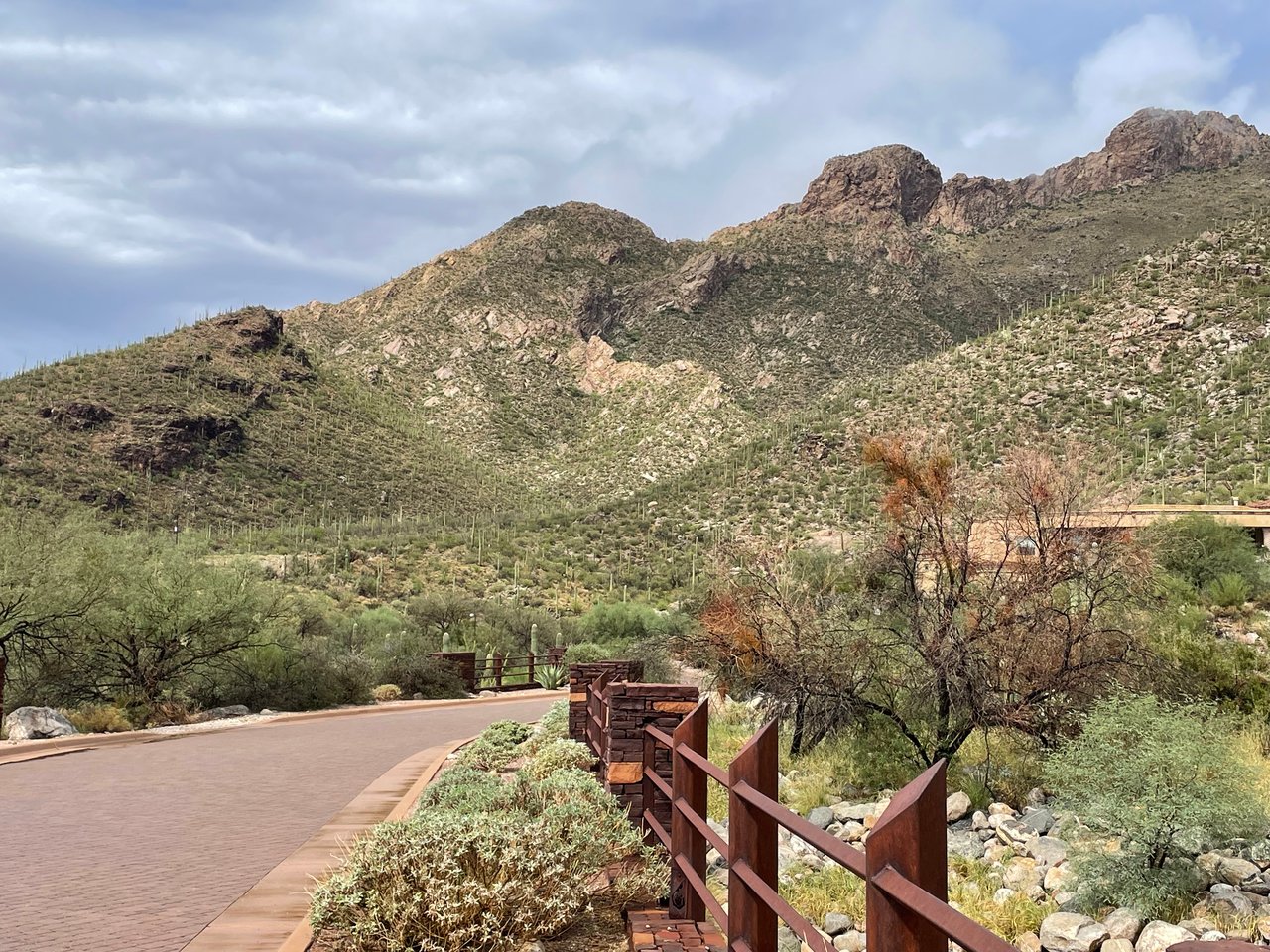
Tucson’s location in the high Sonoran Desert gives it a climate more forgiving than its desert cousin to the West, Phoenix, and its situation in the midst four spectacular mountain ranges provides a natural beauty that the overdeveloped areas of the Glendale/Scottsdale/Phoenix/Tempe metroplex cannot match. Tucson has quietly emerged as one of the most compelling luxury real-estate opportunities in the United States. For affluent buyers seeking a refined second home, seasonal retreat, investment potential or long-term retirement residence, Tucson is becoming the sweet spot.
A Luxury Market Where Your Dollar Goes Further
One of Tucson’s most compelling advantages is the extraordinary value it affords in the luxury segment. My out-of-state buyers, particularly those selling their homes in California and other parts of the country, are amazed at how far their new-found equity will take them here.
In coastal California markets such as Los Angeles, San Diego, and San Francisco, luxury buyers routinely pay several million dollars for relatively modest homes and limited land. Buyers transitioning from Florida are accustomed to paying well into the hundreds of thousands of dollars for hi-rise condominium units with no land and no privacy. And buyers contrasting elite communities in Scottsdale with Tucson are finding that they can get nearly double the size and acreage here for the same dollars.
Tucson offers things increasingly rare in more traditional luxury markets: space, privacy, and architectural freedom.
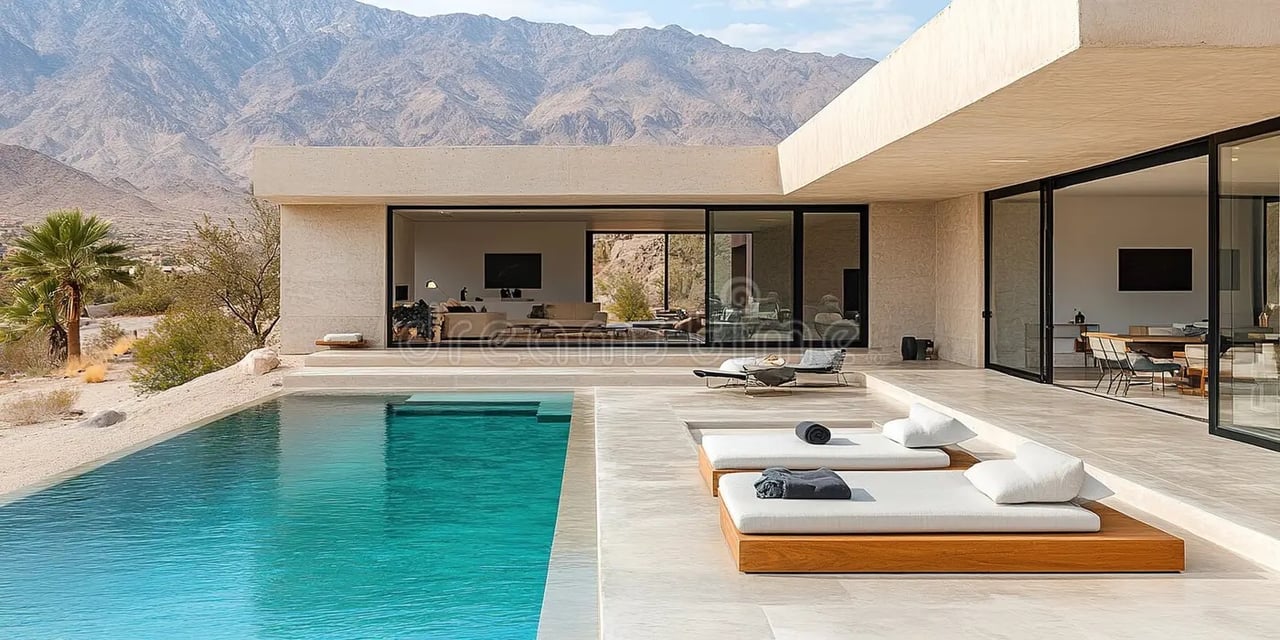
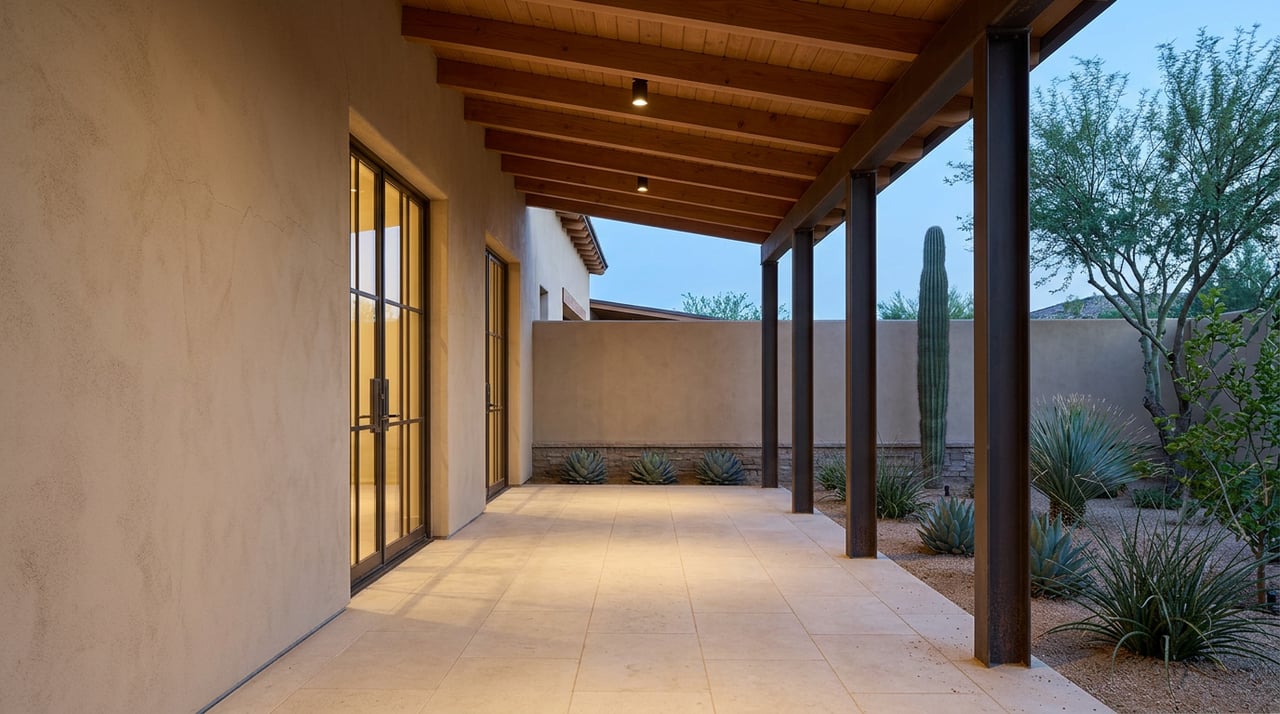
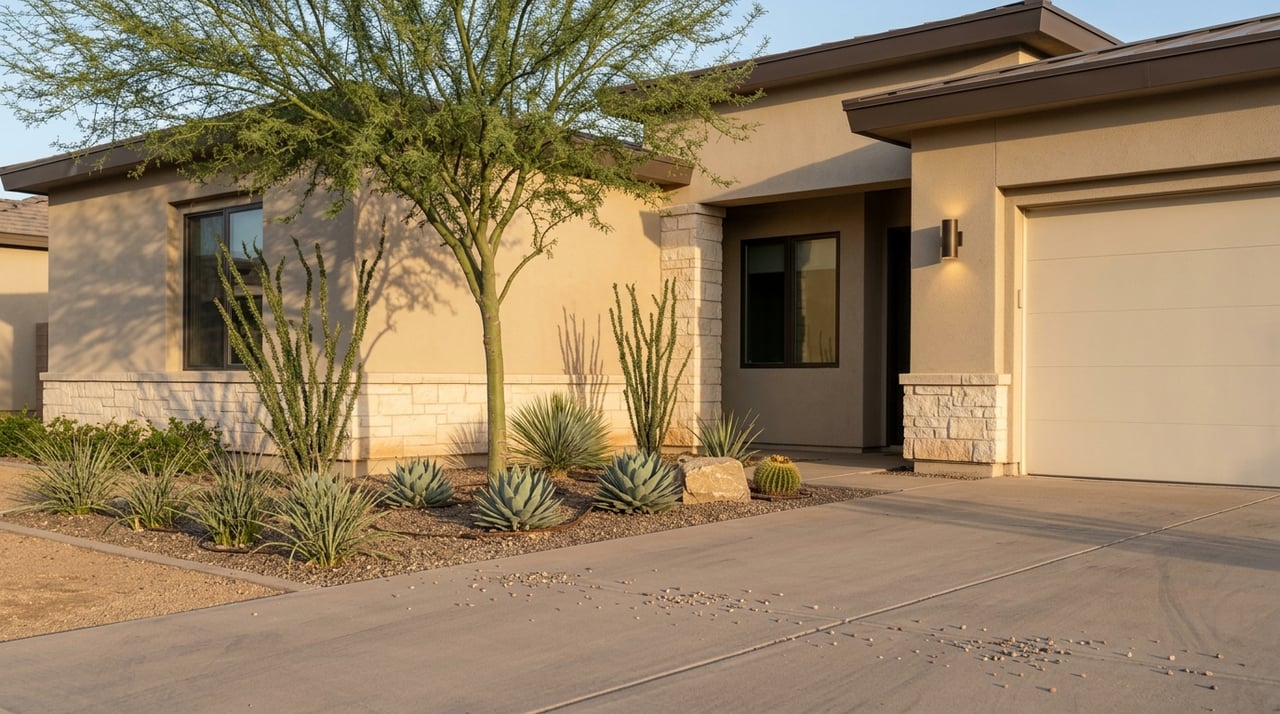
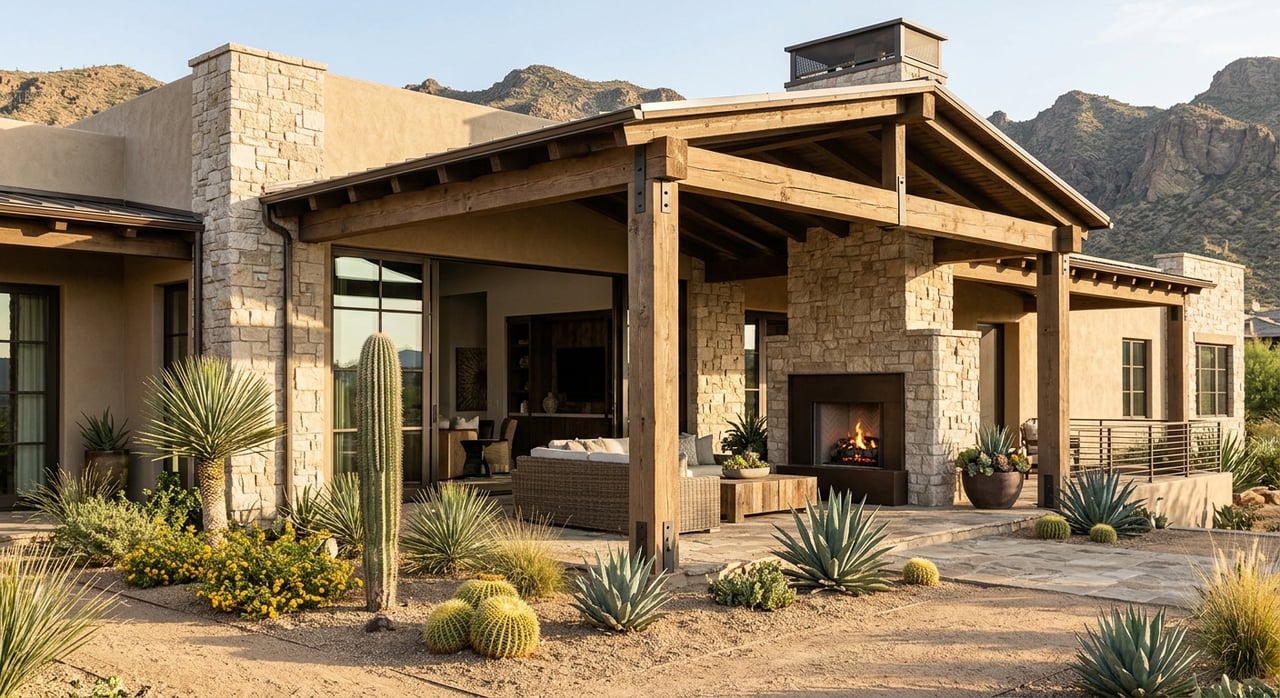
In the Foothills and the other areas north of the city like Oro Valley, Dove Mountain, Canyon Pass and Stone Canyon where I primarily sell, buyers in the $1-2 million range can acquire expansive estates featuring one or more acre lots, unimpeded mountain views, custom Southwest or contemporary architecture, resort style pools, outdoor kitchens and living spaces, and even detached guest houses or casitas. Properties that might cost $5–10 million in California coastal markets can be purchased for a fraction of that price in Tucson—without sacrificing elegance or quality.
Some 2026 specifics: for a recently built 3,5000 square foot home on a one acre lot with a pool and views:
- Miami $4.8 million ($1,370/sq ft)
- Palm Springs $3.6 million ($1,025/sq ft)
- Scottsdale $2,850 ($815/sq ft)
- Tucson ($1,750 ($500/sq ft)
Any wonder that for affluent buyers relocating from high-priced markets, Tucson offers the most bang for the buck?
A friendlier climate, and a worry-free lifestyle.
For luxury homebuyers, climactic and environmental concerns are an increasingly important factor in deciding where to purchase. Many traditional second-home markets face growing environmental risks. Florida’s coastal communities—including cities like Miami and Naples—are increasingly affected by hurricanes, storm surges, floods and rapidly rising insurance premiums. California homeowners must also contend with the kind of wildfire risks that have wiped out entire communities, and made homeowners’ insurance nearly impossible to get.
Tucson presents a demonstrably more forgiving environment. Situated in the Sonoran Desert, the city enjoys minimal exposure to natural disasters. There are no tornadoes, hurricanes or earthquakes. Wildfires, when they occur, are almost always in uninhabited mountain areas and present limited risk to dwellings. Insurance premiums are quite manageable. Tucson receives a good deal more rain than the Phoenix/Scottsdale area to the west, and — in part because it has not been so overbuilt — is actually a few degrees cooler. The desert landscape and surrounding mountain ranges create a remarkably stable climate, allowing homeowners to enjoy outdoor living nearly year-round. For discriminating buyers investing in second homes or retirement estates, this environmental stability offers peace of mind and long-term predictability, making Tucson a much safer place to both live and invest.
Unmatched Desert Luxury
Visit the beach front communities on Florida’s coasts, and you’ll see endless miles of hi-rise condos interspersed with mega-resorts; visit the Scottsdale/Phoenix area and you’ll find scores of planned resort-oriented communities with cookie-cutter homes designed to derive the maximum in development value from the smallest amount of land. But think about what the Southwest really is: open ranges, mountain vistas, towering saguaros as far as the eye can see. You may have heard the snarky quip, “Phoenix is just Los Angeles with cactus.” For the discerning buyer, Tucson offers something far more distinctive: homes that do not fight the natural environment but spring organically from it.
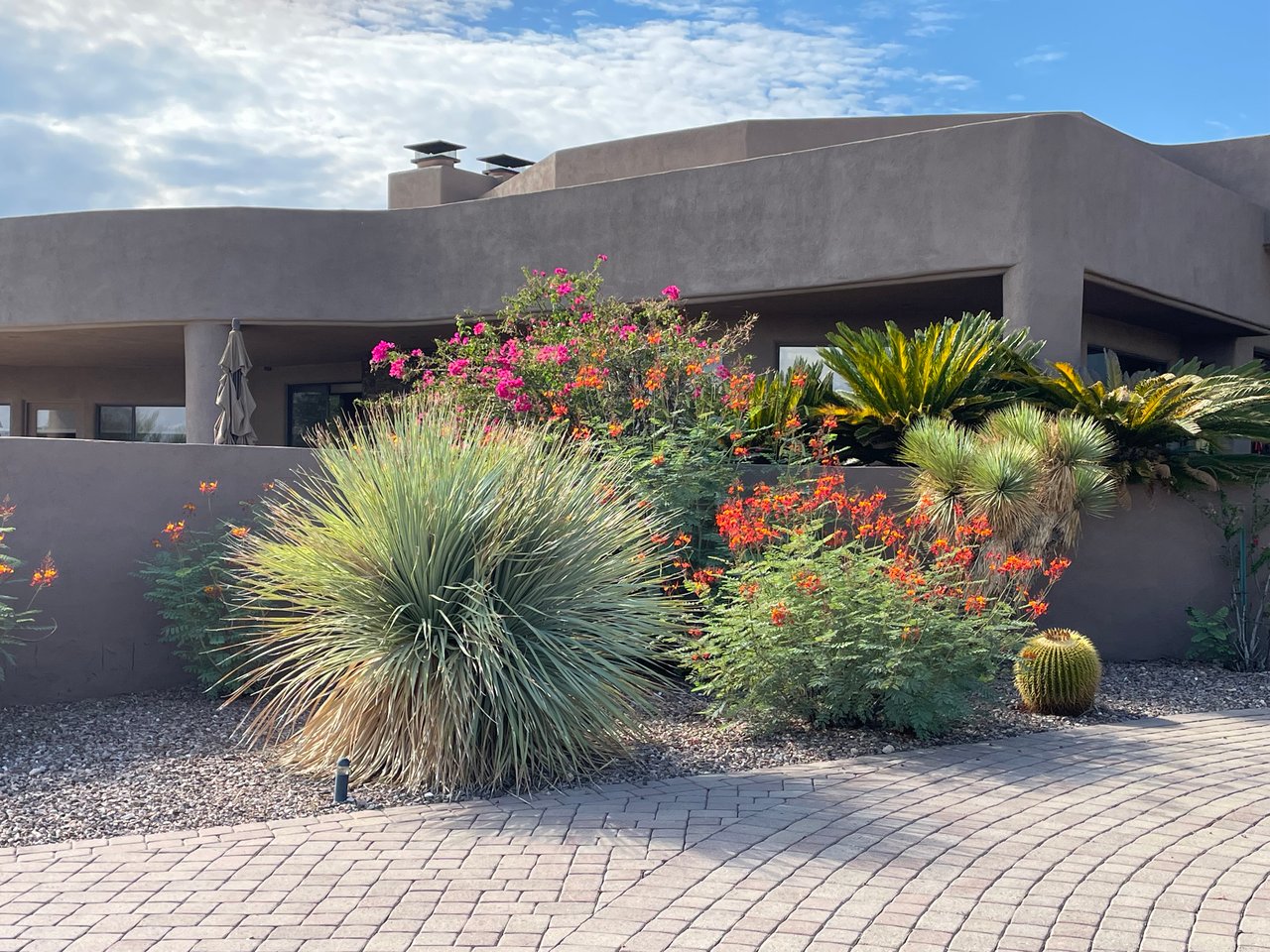
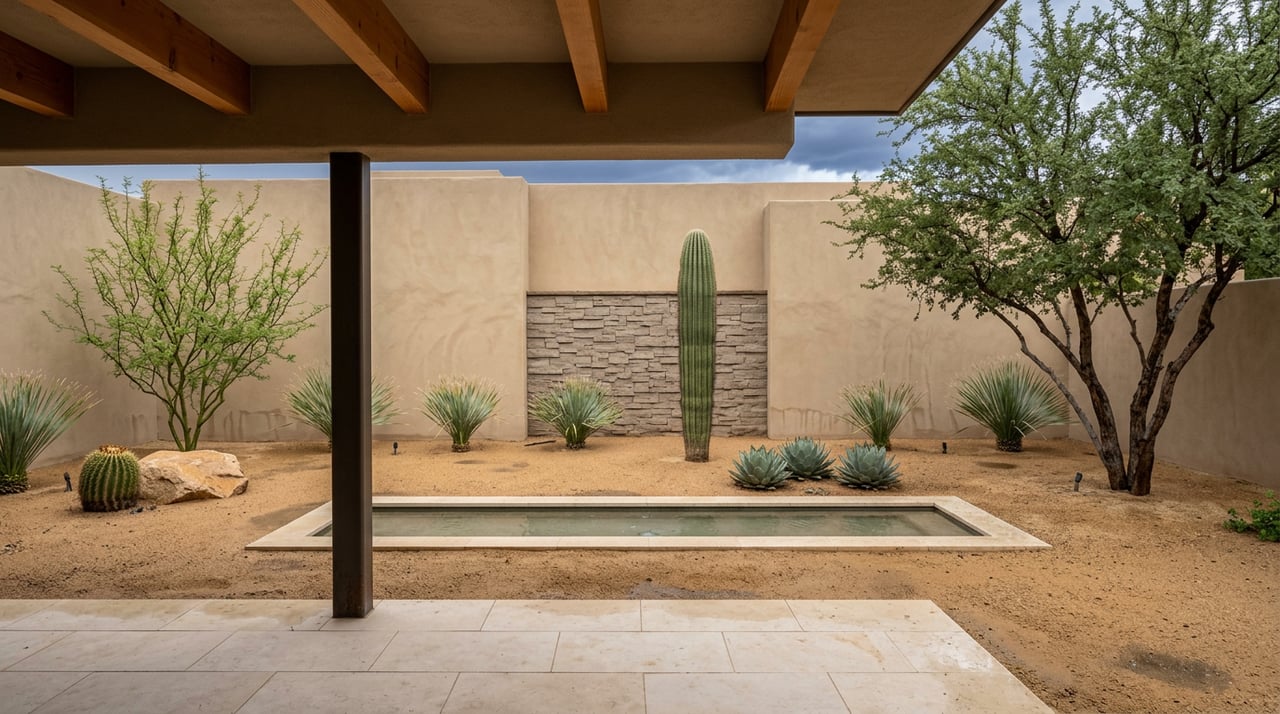
The city’s heritage reflects centuries of Native American, Spanish, and Mexican influence. Historic adobe architecture, desert landscaping, and contemporary Southwestern design combine to create homes that feel deeply connected to the surrounding landscape; such authenticity is part of what makes Tucson’s luxury neighborhoods so appealing.
Buyers in Catalina Foothills communities like Pima Canyon Estates, Ventana Canyon and Skyline Country Club can purchase homes with glorious mountain views to the North, and spectacular nighttime city lights views to the South. Buyers in still developing northwest communities like Dove Mountain, Stone Canyon, Honey Bee Ridge and Canyon can find hillside estates set among jaw-dropping rock formations with breathtaking views of Pusch Ridge (the north slope of the Catalinas) to the East and the the Tortolita Range to the Northwest. The result is a lifestyle both organic and timeless—refreshingly distinct from the more commercialized resort environments of many high-profile markets.
A Lifestyle Defined by Natural Beauty
Tucson is one of the most visually striking cities in North America. Surrounded by multiple mountain ranges and protected desert preserves, the region offers an unparalleled connection to nature. Within minutes drive of the downtown and University areas are Saguaro National Parks East and West — home to hundreds of thousands of the towering, multi-branched succulents that define the Sonoran Desert; the challenging peak of Mount Wrightson to the South; and the nation’s southernmost ski resort (depending on the weather) in Mt. Lemon to the Northeast.
Outdoor enthusiasts enjoy a wide range of year-round activities, including hiking in the four enveloping mountain ranges, world-class cycling routes (including the annual Tour de Tucson that bring cyclists from around the world); golf on approximately 20 public courses and a dozen top-tier private clubs, some home to PGA events; horseback riding at some terrific guest ranches and hotels, and stargazing under some of the clearest skies in the United States.
An A+ Quality of Life
Affluent buyers relocating from major metropolitan areas such as Chicago and New York bring their expectations for a culturally rich life with them. Tucson does not disappoint. The city provides a thriving culinary scene (it was the first American City to be named a UNESCO gastronomy site for its authentic Mexican offerings); more than 50 galleries featuring local and nationally prominent artists; some 40 music venues; approximately 25 night clubs; touring Broadway shows and two local companies, The Rogue and Arizona Theater Company, whose theater offerings rival those of any venue west of New York; and world class shopping destinations such as the newer upscale La Encantada Mall in the Foothills and the old-world charm of smaller local shops in venues like St. Philips and the Casas Adobes Plazas, where Spanish inspired fountains and architecture make for tranquil shopping and offer some pleasant opportunities for rest-breaks featuring teas, coffees and locally inspired baked goods.
Adding to Tucson’s cultural richness is the presence of the University of Arizona with its performing arts programs, adult education opportunities, and a museum filled campus.
A Strategic Investment
Beyond lifestyle benefits, Tucson also represents an attractive long-term investment opportunity. As migration trends continue to favor lower-tax Sun Belt states, Arizona has become a major destination for affluent buyers relocating from New York, Illinois California and other high-cost regions. But, while Scottsdale has already experienced significant luxury price growth, Tucson remains only partially developed. Acre lots with spectacular views can be bought in areas to the north and west in the $200-400 thousand range. So there is a great opportunity here for buyers to enter the market before luxury values fully mature.
********
For investors and second-home buyers alike, Tucson’s combination of lifestyle appeal and relative affordability suggests strong long-term appreciation potential. In a world where many luxury destinations have become crowded and expensive, Tucson offers something refreshingly rare: space, authenticity, and understated elegance. For discerning buyers seeking a second home, retirement residence, or long-term real-estate investment, Tucson delivers a level of luxury that rivals the nation’s most famous destinations—while offering value and a lifestyle they increasingly cannot match.