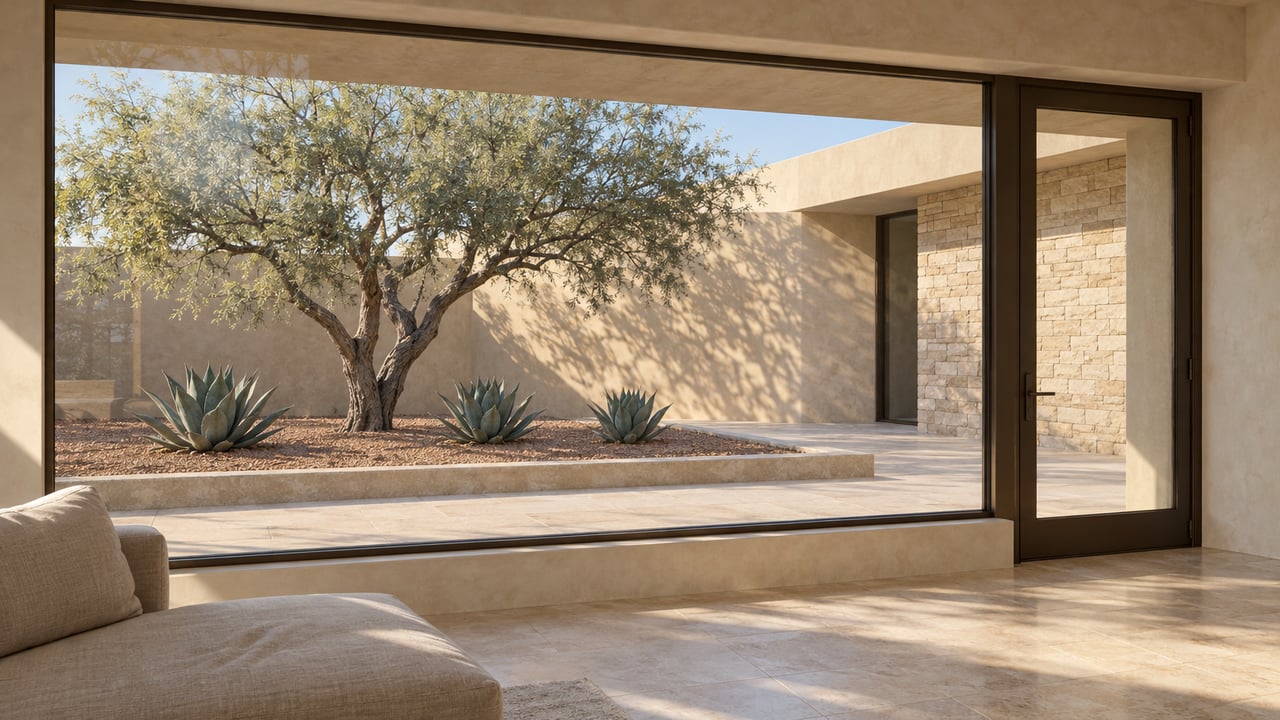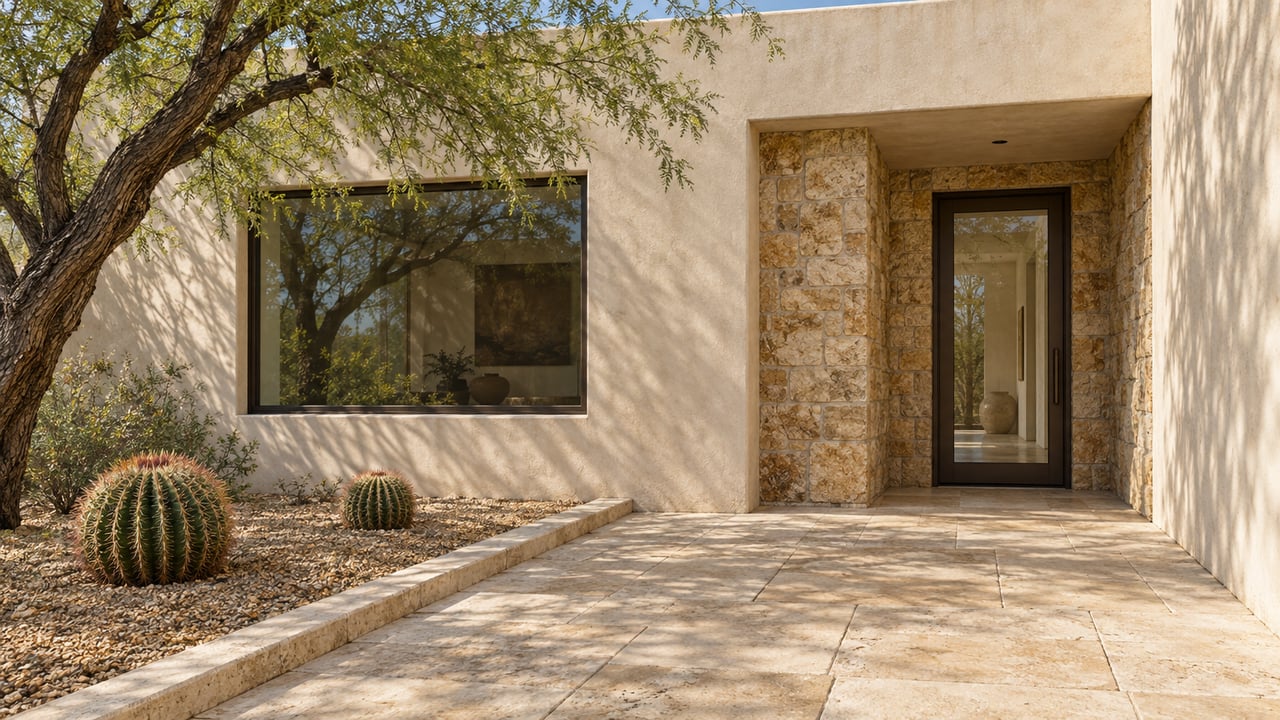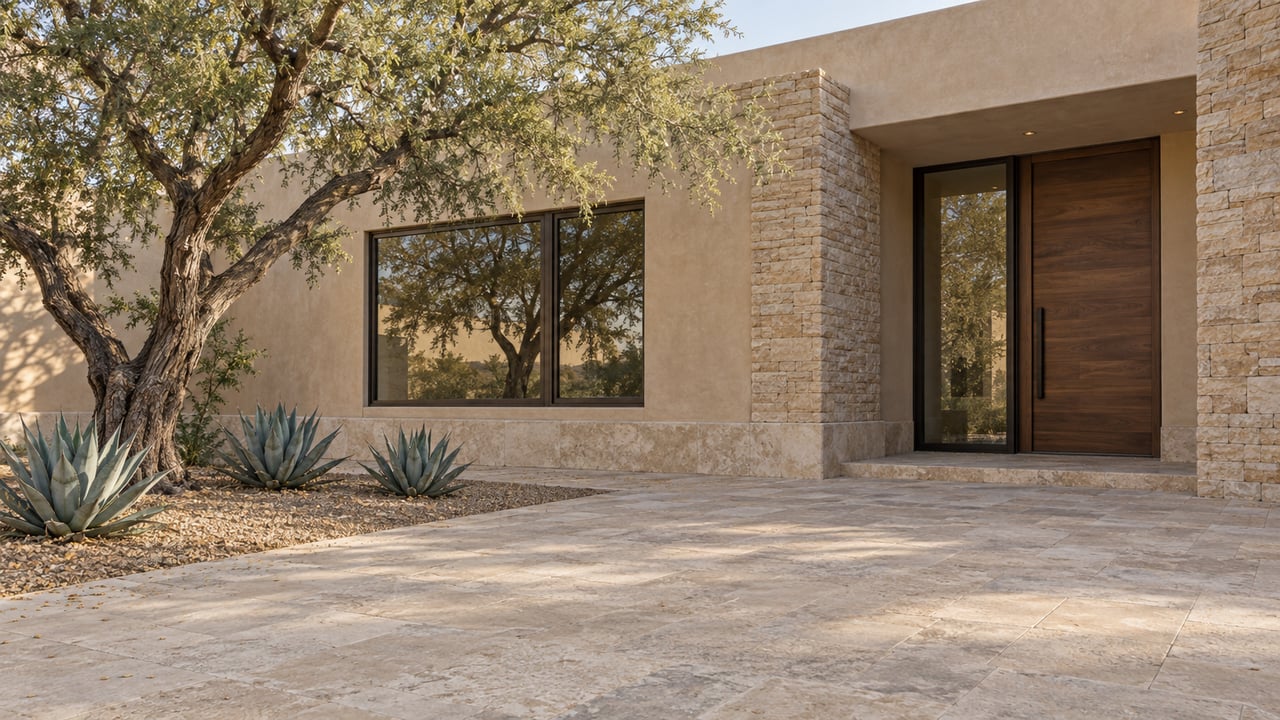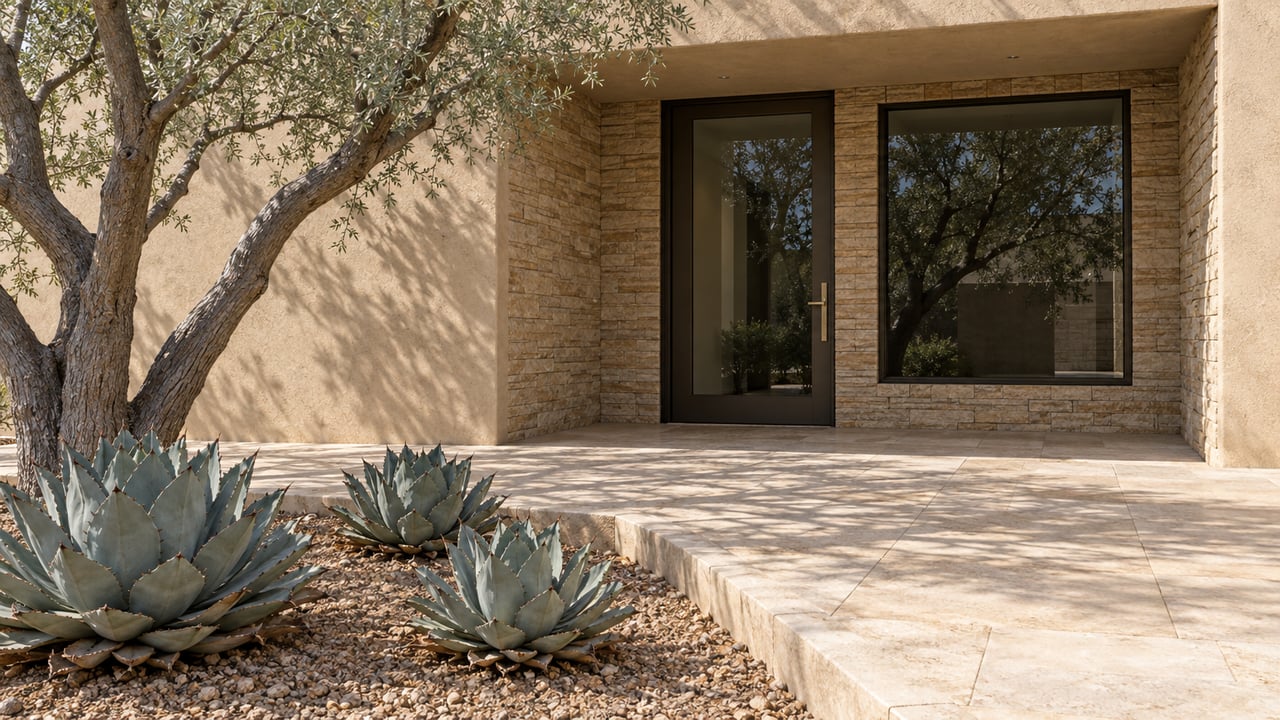
"Next year the wisteria on that will be spectacular," Robin Lansing, head gardener for Yume, told Arizona Sonoran News in late September. "This year it kind of grew in knots, and so it won't be as lovely and draping, but it will be up, and it will be a shady spot, and it will look down this lane to this beautiful bridge."
The head gardener at a garden reopening in a week is already talking about next year. That tells you what to expect when the gate at 2130 N. Alvernon Way opens on Sunday, Oct. 11. Tucson Botanical Gardens spent more than a year on work you mostly won't see: water lines, soil, a pond basin, and buildings. The plantings on top are still filling in, and the gardens' own staff describe the restoration as a multi-year process. The Yume you see this October is the first season of a garden being rebuilt from the ground up.
How a Small Private Garden Ended Up With a New Owner
Yume opened in January 2013. Its founder, Patricia Deridder, is a Belgian who lived in Japan for 15 years. She turned hard desert clay into a series of intimate courtyard-style gardens, built to share the healing qualities of Japanese gardens and to honor her parents. TBG's Yume page describes the courtyard gardens as covering two-thirds of an acre. The garden's own history puts the original groundwork, begun in 2011, at three-quarters of an acre of treeless land whose hard clay was removed, shifted and contoured.
According to Arizona Sonoran News, Deridder approached Tucson Botanical Gardens about taking over the space because low attendance had made the gardens hard to maintain. TBG's director of horticulture said the organization "jumped at the opportunity." The sale closed in May 2025, per the Southern AZ Japanese Cultural Coalition. That same month, Lansing said, crews started preparing the grounds for reopening.
Once the purchase was complete, staff concluded that a cultural garden "deserved full respect," and that meant "a kind of full overhaul and makeover of the space." TBG didn't have Japanese gardening expertise in house, so it hired landscape architect Takuhiro Yamada. He visited the property several times and still advises by live video. The goal, in the horticulture director's words, was "as authentic a Japanese garden experience as possible in the Sonoran Desert," with the caveat that "it's not completely possible because Japan doesn't have any deserts."
The Repairs You Won't See From the Path
Most of the renovation went into the parts of the garden visitors don't look at. Here is the work the gardens' staff described, in the order the reporting lays it out:
- Soil. Lansing said the soil "had been depleted," and staff started a soil regeneration program to rebuild its microbiome. She compared it to "starting with probiotics" for an upset stomach.
- Irrigation. The old system "was very old and not working well." A donor paid for a complete replumbing, and Lansing said consistent water now lets the staff grow plantings and ground cover the garden couldn't support before.
- The pond. It had been leaking, and a second donor gift paid to rebuild it completely.
- Buildings. Crews addressed the structural integrity of the buildings and the hard infrastructure while new planting got underway.
The order matters. A garden that can't hold water or feed its roots can't keep new plants alive, so the visible improvements depend on this work. The pines and shrubs that survived the lean years are still there. Lansing called them "amazing anchor plants." The new plantings around them are young.
What You Will See on Opening Day
Some of the visible changes are already in place. A Canadian cedar bridge has been installed and was kept wrapped so it would look new at the opening. A stand of bamboo now grows beside the traditional-style structures. Lansing said bamboo "grows amazingly in Arizona" but is rarely planted here because it spreads so aggressively. A dry creek bed of rounded stones runs through young plantings, and a small building carries a mural inspired by Hokusai's "Red Fuji."
The wisteria arbor, or fujidana, is the clearest sign of a garden in transition. The old structure was so low that most visitors had to duck. Workers cut the vines back last winter during the renovation. Lansing said this year's growth came in knotted, and she expects the full draping effect next year.
Lansing named the tsukubai, the stone water basin near the tea garden, as one of her favorite spots. In the tea ceremony, participants stop to cleanse at the stone before they reach the tea house. "You keep shedding the world so that you are prepared for tea," she said.
A few details were still unfinished when the reporter visited on Sept. 23. The pond deck was nearly done, small fences and gravel top dressing were going in, and one tree was still in its pot along the corridor to the bridge. In a written statement, the horticulture director said, "While a garden is never 'finished,' we believe Yume is at a place that honors the great horticultural practices of Japan and is able to support educational and cultural programming."
The New Ticket Math
Yume is now priced as part of Tucson Botanical Gardens. TBG's Plan Your Visit page lists three ticket options, with Yume and combo tickets on sale starting Oct. 11:
| Visitor | TBG only | Yume only | Combo |
|---|---|---|---|
| Adults | $20 | $10 | $25 |
| Seniors 62+ and active military | $18 | $7 | $20 |
| Children 17 and under | $12 | $5 | $10 |
| Children 2 and under | Free | Free | Free |
For adults, the combo costs $5 less than two separate tickets. Seniors save $5 the same way. Children come out best: a combo ticket is $10, which is $2 less than a TBG-only children's ticket. If kids are in the group and you're visiting the main gardens anyway, the combo is the cheaper ticket.
TBG membership includes free daily admission and discounts on classes and special events. TBG's pages don't yet say whether that free admission extends to Yume, and the published prices don't include a member rate for Yume admission. Members should ask at the gate or buy in advance, which TBG encourages for every ticket type, member tickets included.
Yume's hours are 9:30 a.m. to 3 p.m., according to the Southern AZ Japanese Cultural Coalition. That's shorter than the main gardens, which are open daily from 8:30 a.m. to 4:30 p.m. with gates closing at 3:15 p.m. If you're buying a combo, see Yume first. Its afternoon cutoff comes earlier.
Yume's etiquette page says parking is limited and asks visitors not to block the lot's entrance or exit.
October Is Mostly About the Programs
Yume's reopening doubles as the start of its fall program schedule, and the first workshop begins on opening day. These are the dated events on TBG's calendar, with non-member and member prices:
- Haiku Comics Workshop. Eight Sundays, Oct. 11 through Nov. 29, 1 to 3 p.m. $275 / $220.
- Fall Haiku Walk: Autumn Light at Yume. Saturday, Oct. 24, 11 a.m. to 1 p.m. $30 / $24.
- Japanese Basket Weaving Workshop with BasketBana. Oct. 25, 10 a.m. to 1 p.m., materials included. $90 / $72.
- Voices of Autumn, evening concert. Oct. 30, 6 to 7 p.m. $38 / $30.
- Voices of Autumn, matinee. Oct. 31, 3:30 to 4:30 p.m. $38 / $30.
The Southern AZ Japanese Cultural Coalition describes the fall concerts as koto and shakuhachi performances. The Oct. 30 evening concert stands out because it runs after Yume's posted 3 p.m. closing, so it's a rare chance to be in the garden after hours. TBG's Yume calendar lists the haiku workshop as the Oct. 11 event and doesn't show a separate opening ceremony or tea ceremony.
Taken together, the schedule follows the same logic as the renovation. Arizona Sonoran News quoted the director of horticulture as saying the space was ready "to share with the Tucson community" after more than a year of infrastructure work. The haiku walk, basket weaving and concerts use the garden as it is now. The full wisteria display is planned for next year.
Getting There While Grant Road Wraps Up
The drive is the other part of the visit still under construction. In an Aug. 27 release, the City of Tucson said Grant Road Improvement Project Phase 3 & 4 was "on track for completion in October 2026." After final paving, the remaining work included landscaping east of Alvernon Way, pavement markings, and power connections for crossing signals and streetlights. The city noted that the schedule could change because of weather or unforeseen circumstances. The overnight closure of the Grant and Alvernon intersection for final paving was Sept. 11 to 12, and it's over.
Until the finishing work is done, TBG's construction page recommends approaching from the south so you can turn right into the Gardens. It warns that lanes may be reduced and left turns prohibited depending on the construction phase. Check that page before you leave, because conditions change from week to week.
The next season is already on TBG's calendar. LightsUp! A Festival of Illumination returns Nov. 27 and runs through Jan. 10, 2027.
If you're bringing out-of-town guests to Yume this fall, or deciding which central Tucson spots to show them, I'm glad to share what I know about the city. Reach out to Mark Klugheit. Let's Connect.