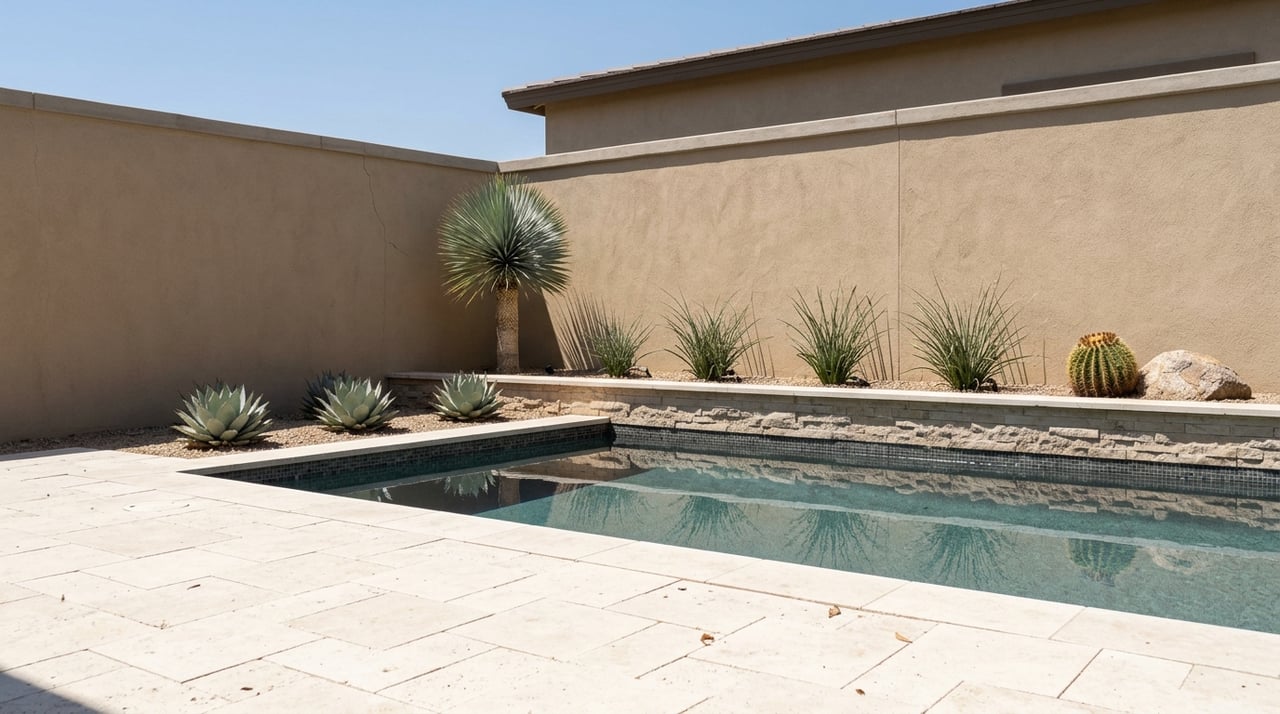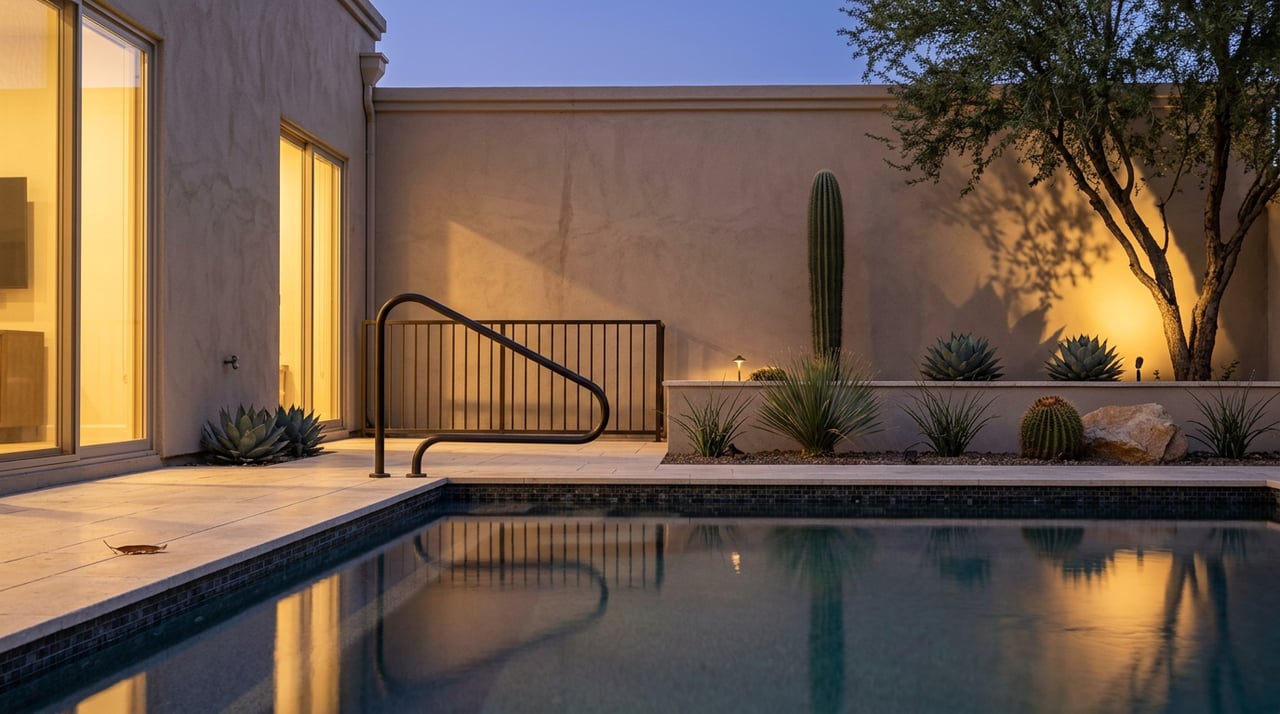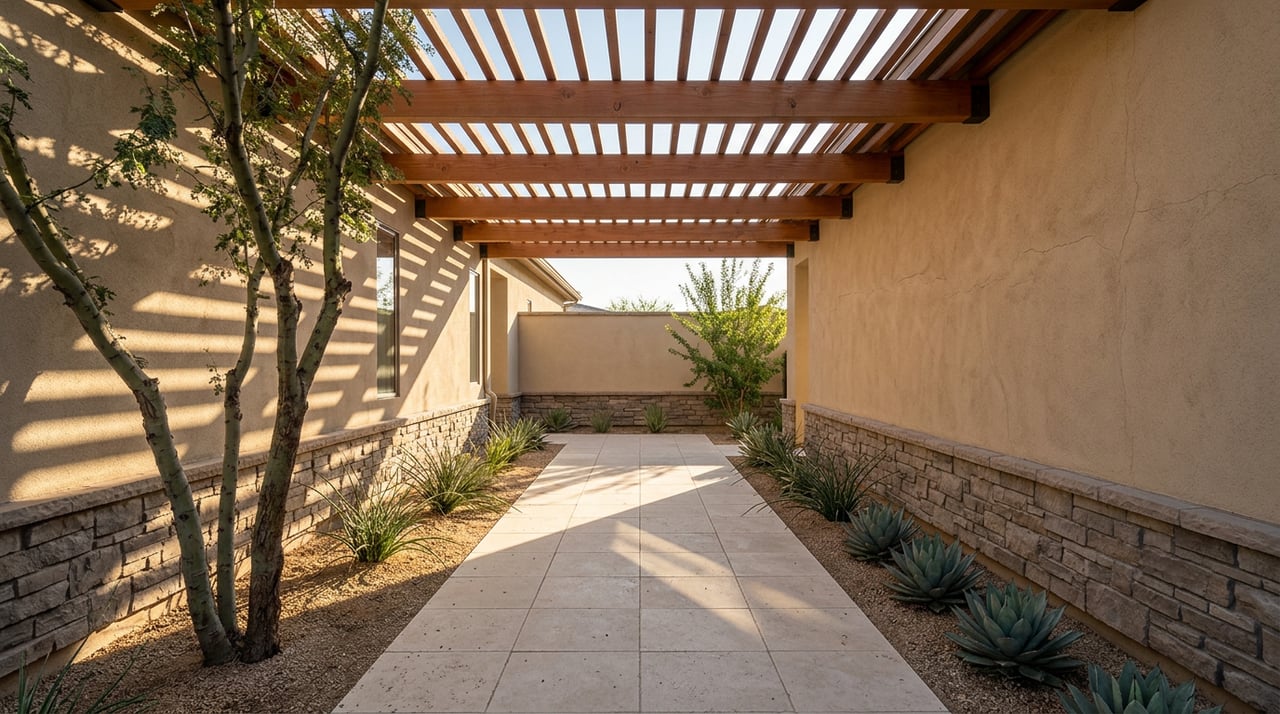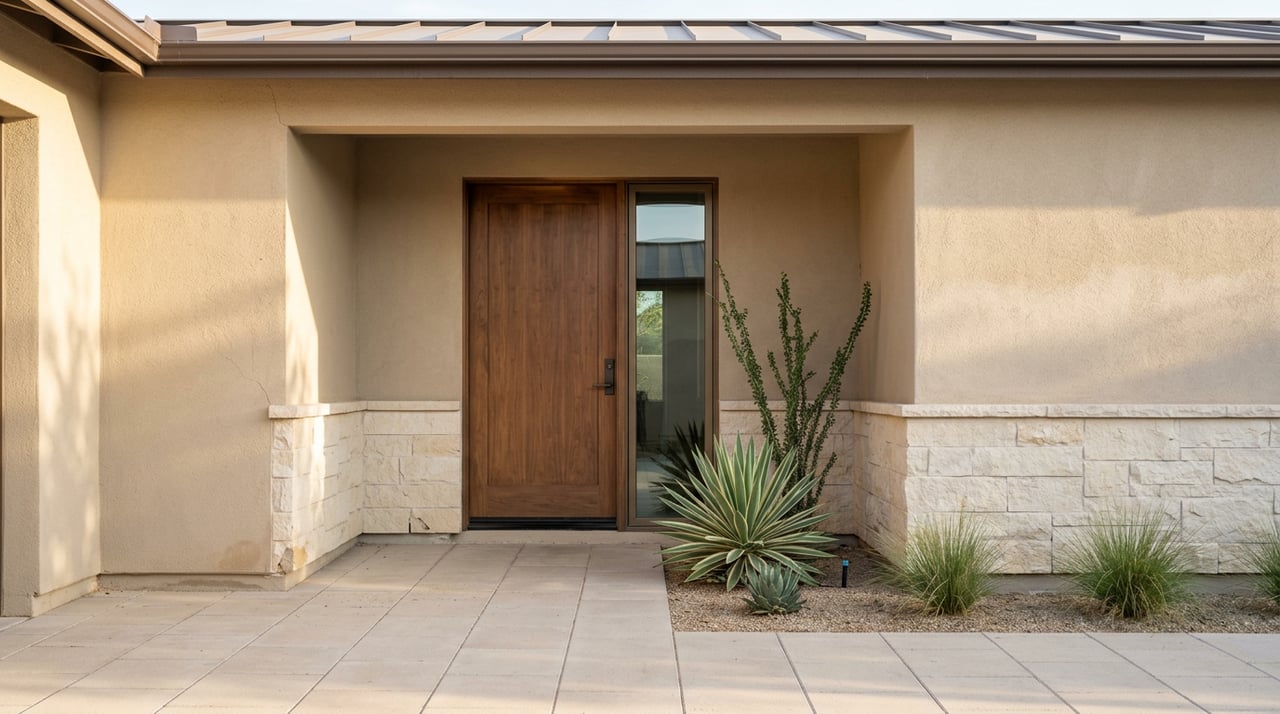
Search "condo for sale Sabino Canyon" and the listings all look like they belong to the same neighborhood. Same mountain backdrop, same proximity to the recreation area, same general price band. Pull the resale disclosure packet on two of them and you may be looking at two associations with almost nothing in common: different reserve funding, different delinquency rates, different rules about what happens if a roof needs replacing next year instead of in ten.
That is the part the listing photos never show you. In this corridor, "Sabino Canyon" is a location, not a legal entity. The condos and townhomes that get marketed under that name sit inside separate, independently governed associations, and Arizona law requires each one to hand you a different packet of documents before you can close. Reading that packet correctly, not just receiving it, is where a purchase near Sabino Canyon either holds up or turns into a renegotiation two weeks before your scheduled closing.
One Name, Several Associations
The condo and townhome stock near Sabino Canyon is split across a handful of distinct communities, each with its own board, budget, and bylaws. Villas at Sabino Canyon Condominiums runs smaller units, roughly 965 to 1,152 square feet, under its own condo association. Riverbend Sabino Canyon Road Townhomes, a gated community at the intersection of Sabino Canyon Road and Cloud Road, carries an average HOA fee near $284 a month and answers to its own board. Sabino Mountain and Sabino Springs are separate associations again, each with their own reserve schedule. Pinnacle Canyon Condominiums is another entity entirely.
None of these boards report to a master association that unifies them. Each one is its own legal and financial unit, which means the health of one tells you nothing about the health of another, even when both properties sit inside a five minute drive of each other and both get called "Sabino Canyon" in the marketing copy.
The thinness of the resale data in this micro-area reinforces the point. A recent snapshot of the Sabino Canyon Clusters sub-area showed a single recorded sale, at a median of $610,000 and $324 per square foot, closing about 1.6% under list within roughly 28 days. One transaction cannot tell you what the next one will cost, and it certainly cannot tell you whether the association governing your specific building has a fully funded reserve or a special assessment quietly working its way toward the next annual meeting. When trading volume is this thin, the aggregate number stops being useful. The only number that matters is the one specific to the association you are actually buying into.
What Arizona Law Actually Requires Before You Close
This is where the legal side of the purchase does real work. Arizona statute requires sellers in HOA-governed communities to provide a resale disclosure packet before closing, under A.R.S. § 33-1806 for planned communities and § 33-1261 for condominiums. The packet has to include:
- The CC&Rs, bylaws, and current rules
- Financial statements, including budgets, reserve fund balances, and delinquency rates
- Recent meeting minutes
- Insurance coverage details
- Any known violations or pending special assessments tied to the unit
That list is not paperwork for its own sake. It is the only place where the difference between Villas at Sabino Canyon and Riverbend or Sabino Mountain actually shows up in writing. Two units can carry nearly identical asking prices and completely different exposure once you see what the reserve fund covers and what it does not.
Reading the Reserve Line Like a Contract
A reserve fund balance by itself tells you very little. What matters is whether it is adequately funded relative to the association's own projected capital needs, roofing, paving, pool equipment, common area repairs, the items every one of these boards is required to plan around. An association sitting on a reserve that covers a fraction of its projected costs is one special assessment away from an unplanned bill landing on the next owner, which could be you.
Delinquency rates deserve the same scrutiny. A high percentage of owners behind on dues is a leading indicator of future assessment increases, because the association still has to cover its costs whether or not every owner is paying their share. Neither of these numbers appears on a listing sheet. They only appear in the packet, and they only appear once the seller produces it, which is why the timing of that document inside your contract matters as much as its content.
Here is a general sense of how the pieces differ across the named communities in this corridor, based on what is publicly documented about each:
| Community | Structure | What the Listing Shows | What the Packet Confirms |
|---|---|---|---|
| Villas at Sabino Canyon Condominiums | Condo association | Unit size, price, general location | Reserve balance, delinquency rate, violation history |
| Riverbend Sabino Canyon Road Townhomes | Gated HOA | Approximate $284/month HOA fee | Full budget, reserve funding ratio, insurance terms |
| Sabino Mountain | HOA | Price, general amenities | Board minutes, special assessment status |
| Sabino Springs | HOA | Price, general location | CC&R restrictions, reserve adequacy |
| Pinnacle Canyon Condominiums | Condo association | Unit price, size | Financial statements, known defects |
The right column is the one that decides whether the price on the left column is actually a good deal.
Where the Fines Rule Becomes a Negotiation Point
Arizona law also governs how associations can enforce their rules against an owner. Under A.R.S. §§ 33-1803 and 33-1241, any fine has to be reasonable, and the board must give written notice along with an opportunity to correct the issue before penalties apply, plus a hearing if the owner requests one. That protection matters most when you are the buyer inheriting a unit with an open violation. If the packet shows an unresolved fine or a pending compliance issue tied to the property, that is a legitimate point to raise before closing, either to have the seller cure it first or to adjust terms to reflect the risk you are taking on.
This is the piece of the process that rewards treating a home purchase the way you would treat any negotiated agreement. The packet is disclosure, but it is also leverage. A thin reserve fund or a documented delinquency problem is not a reason to walk away automatically. It is a reason to renegotiate price, request a credit, or extend your due diligence period until the board answers specific questions about its capital plan.
What This Means If You're Comparing Two Listings This Week
If you are looking at two units this month, one in Riverbend and one in Sabino Mountain, priced within a few thousand dollars of each other, the sale price is the least useful number in the comparison. What you actually want before you write an offer is the reserve funding percentage, the delinquency rate, and the last twelve months of board minutes for each specific association. Two units that look identical on a listing sheet can carry very different financial futures once you see how each board has managed its money.
The practical move is to request the disclosure packet early, not after mutual acceptance. Arizona law entitles you to it before closing, but nothing stops you from asking your agent to request it as part of your offer terms, so you are reading the reserve schedule before you are locked into a contract rather than after.
A Few Questions Worth Asking Before You Sign
Does every condo or townhome near Sabino Canyon require the same disclosure packet? The statute is the same across planned communities and condos, but each association produces its own version, and the content inside will differ based on that association's finances and history. The requirement is uniform. The substance is not.
What if the seller is slow to produce the packet? Because Arizona law ties the packet to the resale transaction, delays are worth flagging early in your contract timeline rather than absorbing quietly. A seller who cannot produce clean financials quickly is sometimes signaling that the association's own paperwork is not in great shape.
Can the information in the packet actually change my offer? Yes. An underfunded reserve or a high delinquency rate is a legitimate basis for renegotiating price, requesting a credit, or asking for specific repairs before the deal moves forward. This is where reading the document carefully pays for itself.
Buying near Sabino Canyon means buying into one of several distinct associations, not a single neighborhood-wide standard. The price per square foot gets you in the door. The disclosure packet tells you what you actually own once you're inside. If you're comparing units across these communities and want someone to read the reserve schedule and the fine print before you're under contract, not after, Mark Klugheit is glad to walk through it with you. Let's Connect.