As a real estate agent working with buyers in Tucson's Foothills, I've had the occasion to show homes in some of some of the area’s most upscale communities, including Ventana Canyon, Cat 10, Skyline Country Club, La Paloma and Cobblestone, just to name a few. And with more than one buyer, I've been told this: "Mark you showed us some great homes. But we will wait until the right home in Pima Canyon comes on the market."
Confession: I was not totally surprised. I’ve lived in Pima Canyon for the last fourteen years, and I guess I'm prejudiced. I do love it here. But those buyers' comments gave me pause to reflect on what makes Pima Canyon, and the lifestyle of its residents, so unique.
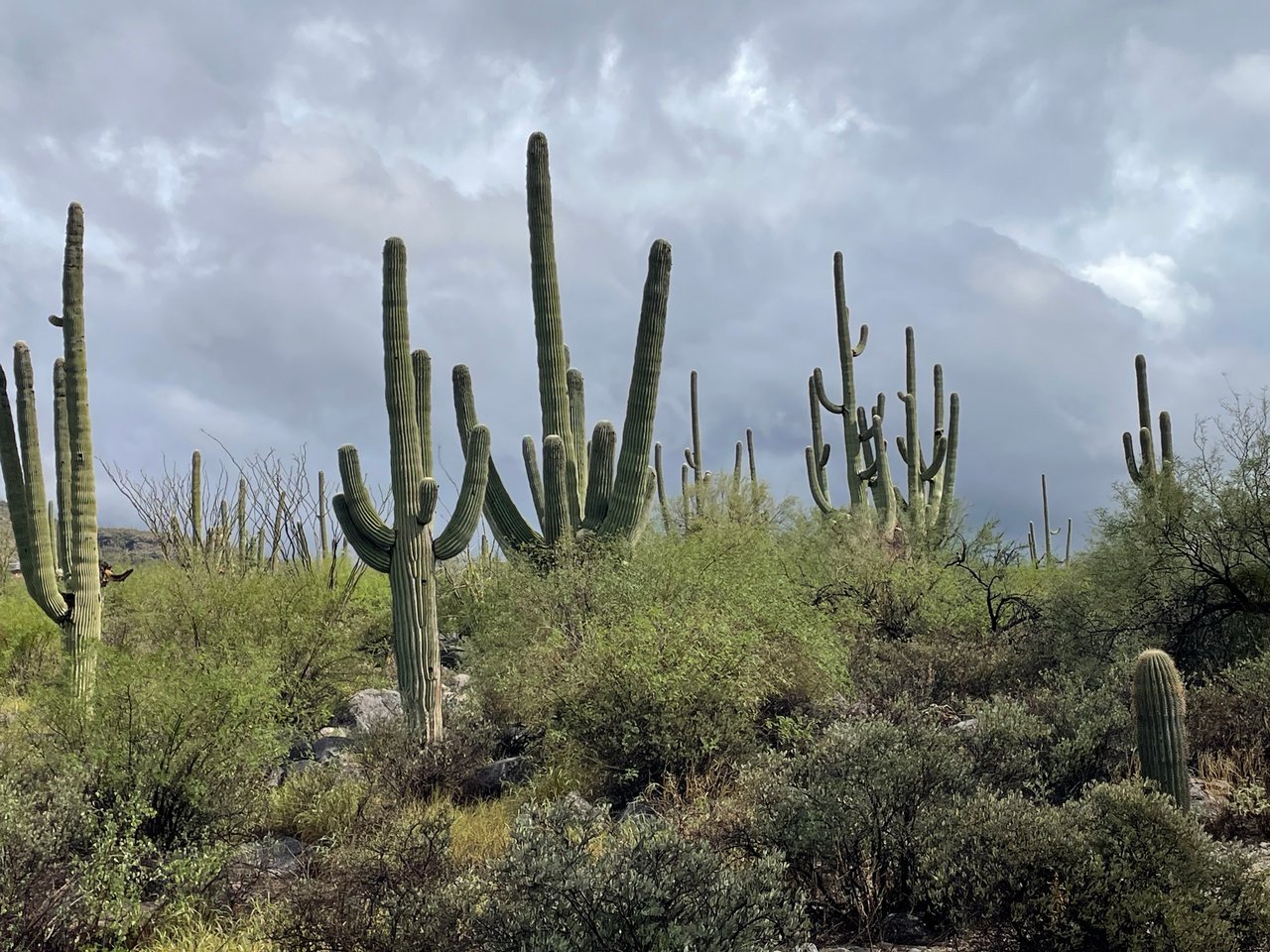
Let's start with history. Up until the early twentieth century, land in the Catalina Foothills was considered essentially worthless desert. The topography was not all that different from the Saguaro National Parks on Tucson's eastern and western boundaries, with hillsides dotted with thousands of tall, branching cacti that made for beautiful viewing but not much developmental use. Then, starting around 1920, under the vision of developers like John Murphey and architects like Josias Joesler, Tucson began to expand northward, with homesites that used the desert land and its Saguaros, Ocotillos, Palo Verdes, Mesquites and Chollas as a part of their charm rather than obstacles to be cleared.
But, even into the 1990s, one incredible pristine tract of land, north of Skyline Drive, remained to be developed. Enter the businessman and philanthropist Donald Diamond and his company Diamond Ventures, Inc. Diamond Ventures had already been successful turning raw desert land into developable parcels. But Pima Canyon was to be their crown jewel. Diamond had a vision to create a community of low impact, low density exclusive homes that would be totally in harmony with the desert landscape from which they arose. And the culmination of that vision was Pima Canyon Estates.
Today, Pima Canyon has approximately 300 homes and over 700 residents. There is a 24 hour manned gate, now about to be upgraded by a state-of-the-art online guest management system. Lot sizes range from 1 to 5 acres, and some areas of the community are behind a second set of gates which provide additional security and cachet. About half of the residents are year-rounders, and the rest snowbirds mostly from the mid-west. The average age of homeowners is mid 50s and the average income is well in excess of $100,000 per capita. While there are some families with children, the majority of homeowners are retirees. There are only a handful of remaining lots for development. Exclusive and upscale, to be sure — but, in those particulars, Pima Canyon is not particularly distinct from other upper end Foothills communities.
So, why do buyers pass over magnificent homes in Ventana Canyon or Sin Vacas to wait anxiously for the next new listing in Pima Canyon? I think there are three reasons: (1) a development in compete harmony with the natural environment; (2) hands-on management by a Board of Directors and a management team from Associated Asset Management that is committed to both the community’s vision and history, and also to it’s prudent fiscal management; and (3) a uniquely welcoming Community Connections program that opens its arms to newcomers and brings neighbors together for both socializing and cultural enrichment.
- Development in harmony with nature
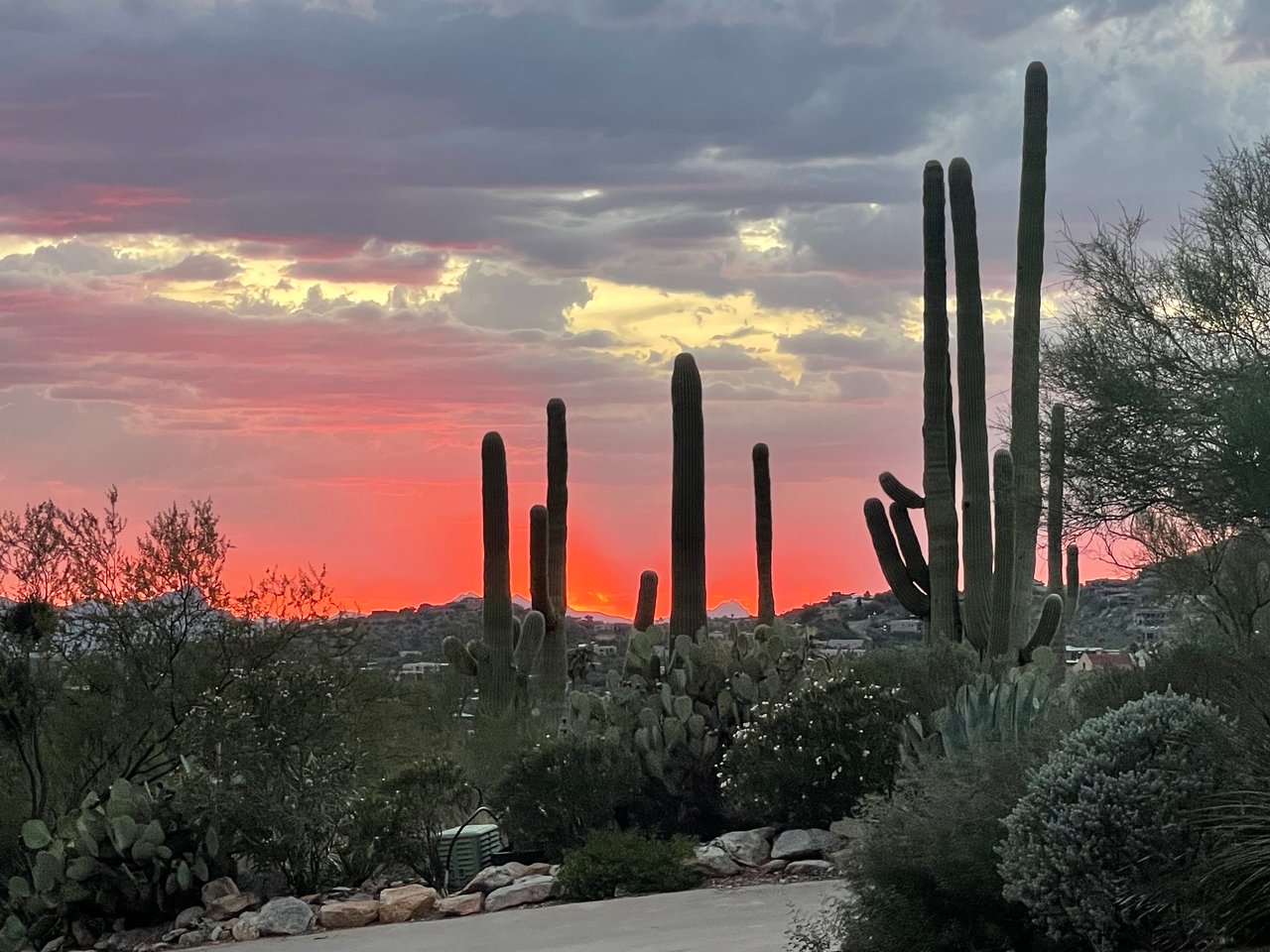
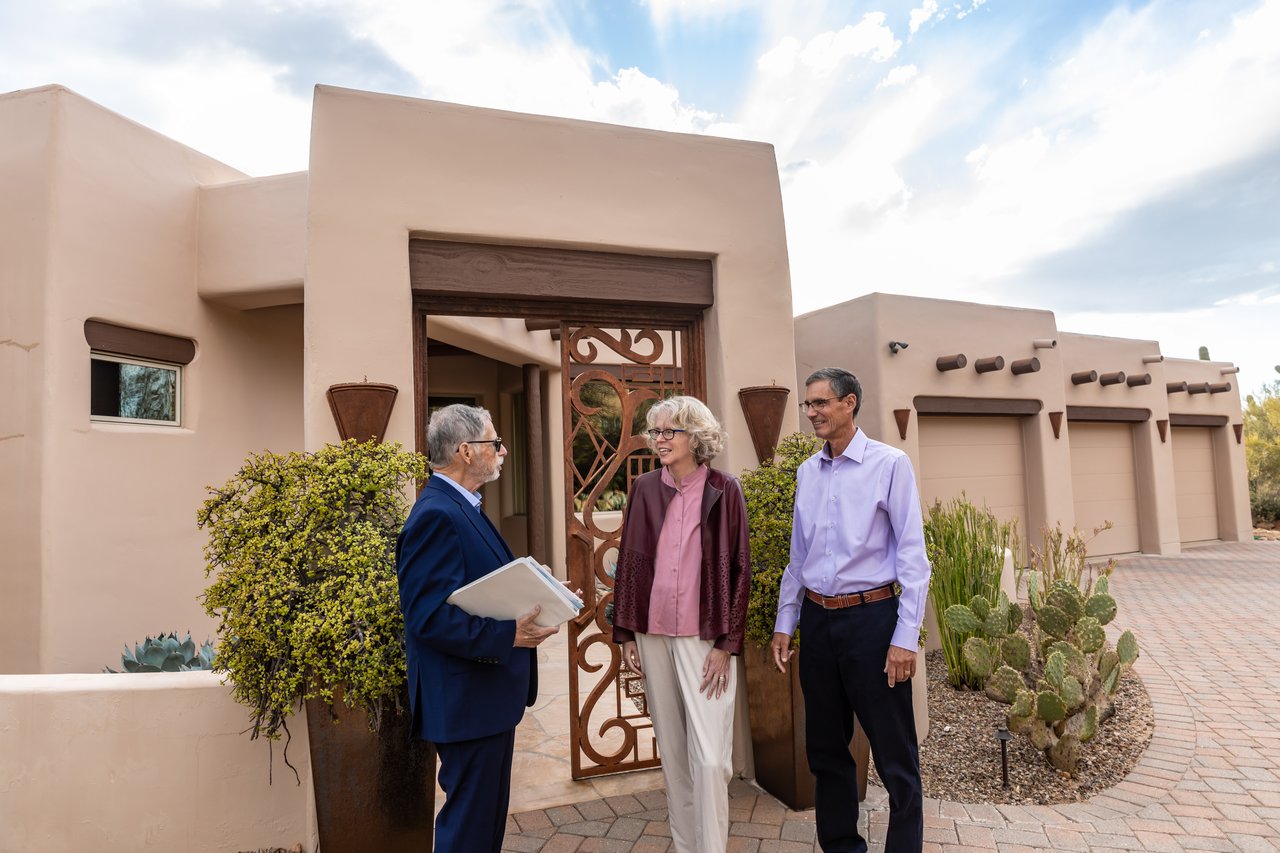
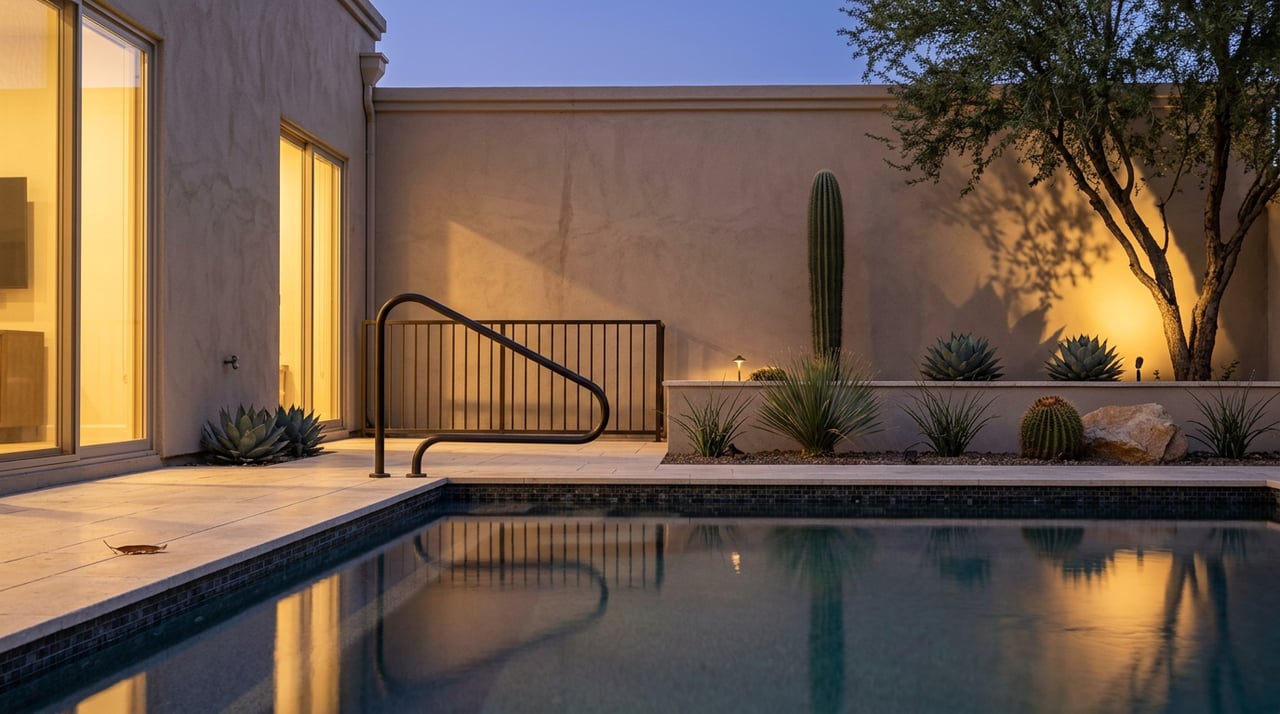
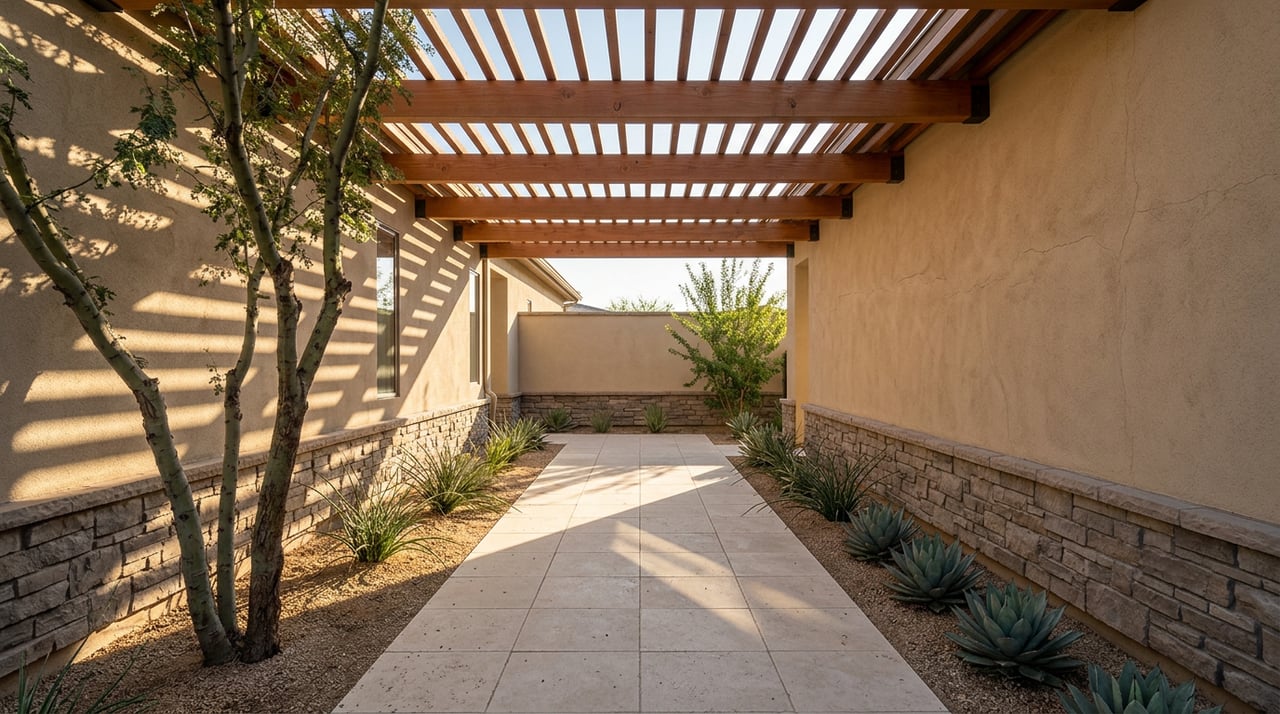
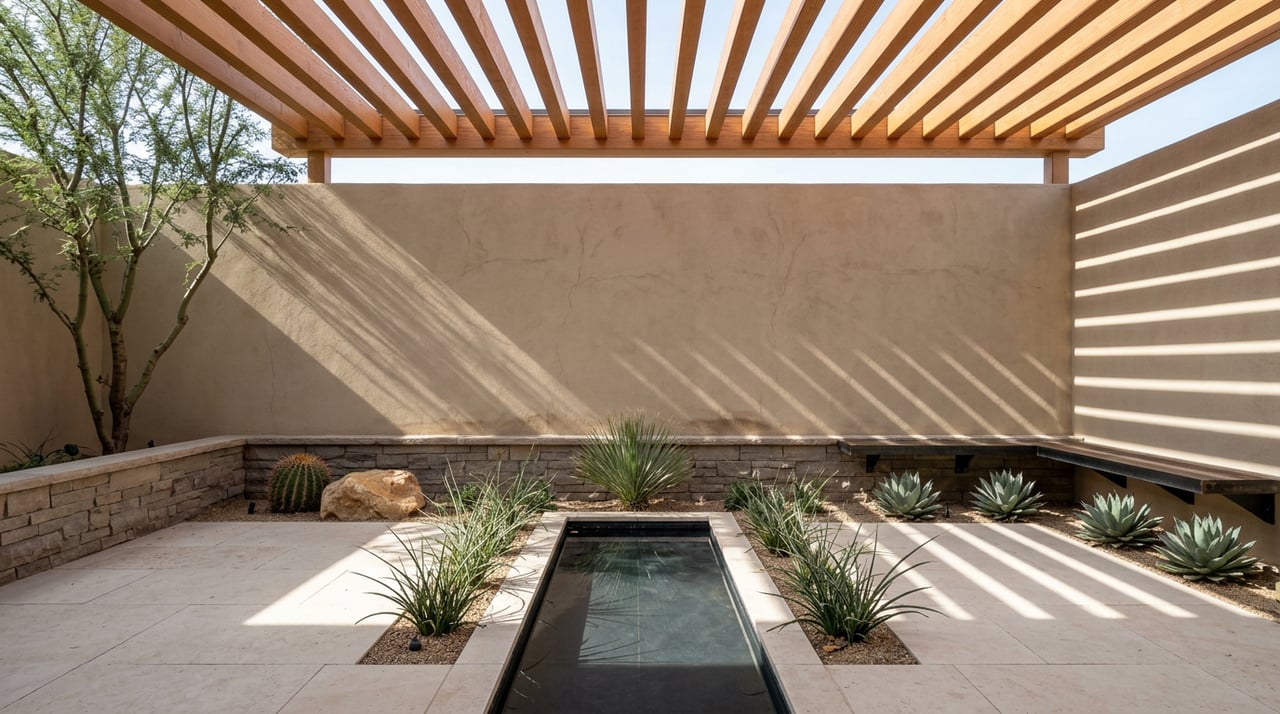
You will enter Pima Canyon Estates heading north on Pima Canyon Drive and come to the manned gatehouse. On entering the community, you are surrounded not by homes but nature, as you drive nearly a half mile through untouched desert landscape. There is, by intention — and unlike some other upscale communities — no green grass golf course to break up the natural flora. At the first intersection, Mystic Canyon Drive, you will begin to see homes, but you will be struck by the fact that the homes exist in harmony not only with the desert but each other. No two story homes are permitted, allowing magnificent mountain and city-lights vistas to almost every homesite in the community. All exteriors are earth tones, and all are surrounded by natural, native growth. While the style of the homes may differ — Contemporary Desert designs with sharp edges and floor to ceiling glass; Modern Territorial homes with brown or beige stucco exteriors Vega beams and overhangs and natural stone accents; and Mediterranean and Santa Barbara style masterpieces with muted red tile roofs and inner courtyards that create a resort-like feel — the theme of a community of dwellings that spring almost naturally from the desert terrain never varies.
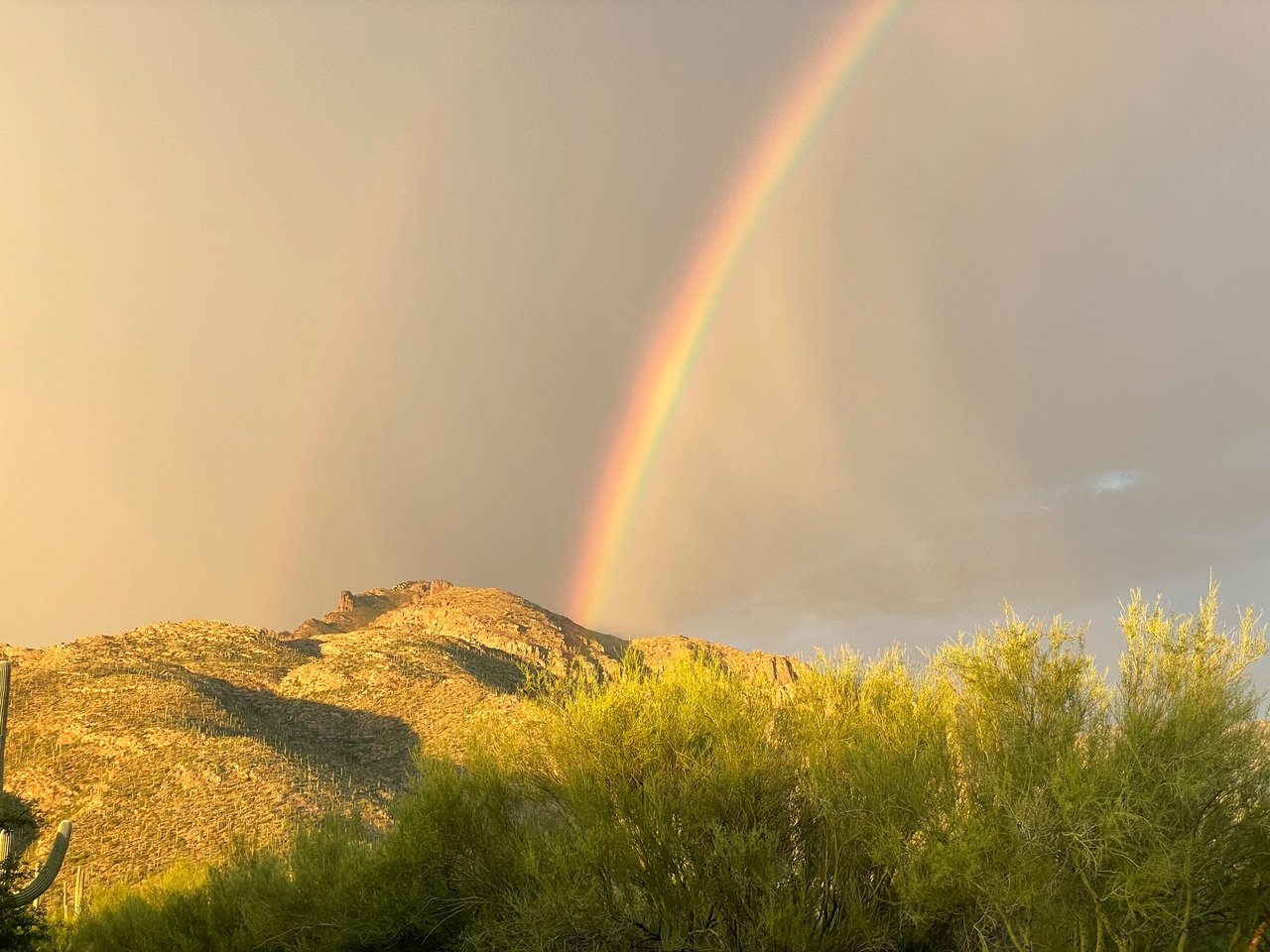
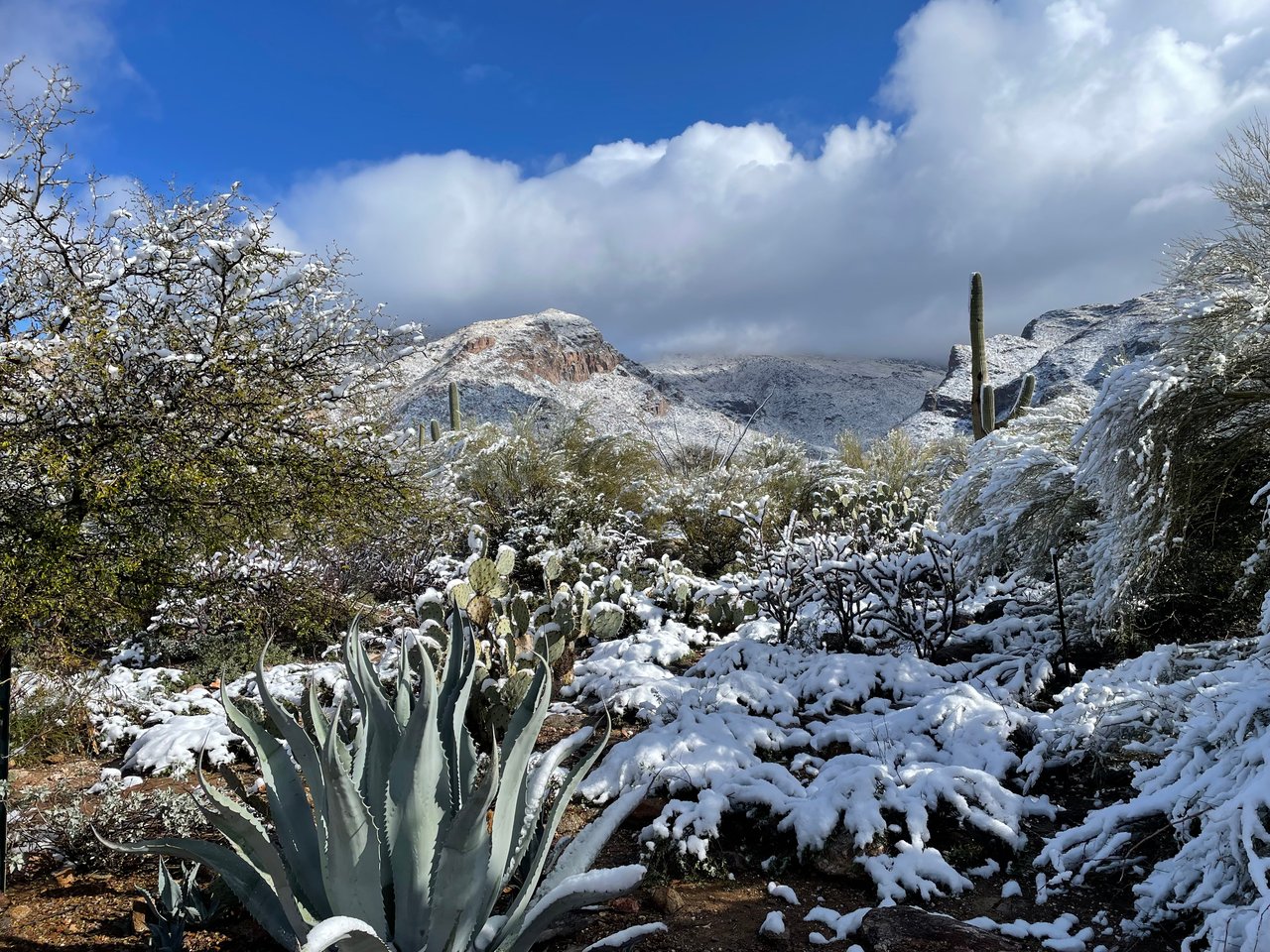
The community’s blend between construction and nature is augmented by a number of specific features. About three miles of unspoiled hiking trails wend their way through the community. One of Tucson’s great hiking opportunities, the Pima Canyon Trail, runs directly through the community on a dedicated, but fenced-off easement. Pima Canyon residents even have their own privately gated access to the Pima Canyon Trail, entering about a half mile above the public parking lot. Abutting the trail is the Pima Canyon wash which flows like a sparkling brook after some summer monsoon rains or during winter snowmelt. And in the center of the community is a never-to-be touched multi-acre of parcel with a pond (currently inhabited by a couple of large tortoises) and a rustic Ramada available to all members of the community for a cool hiking interlude or a peaceful moment of Zen..
The exquisite amalgamation of homebuilding and nature that is Pima Canyon does not exist by accident. Under the direction of the Board there is a 6 member Design Review Committee that must approve all new build plans, exterior remodels, and landscape changes. In the case of new builds and major changes, plans are available for review and comment by all members of the community. Pima Canyon homeowners understand that preservation of their community’s harmony with the surrounding desert environment is an essential component of their own home's value.
2. Hands-on prudent management.
When buyers go under contract in a development governed by an HOA, there is always a dread as the Title company forwards them the community financials. The last thing a homebuyer wants is to be purchasing a liability, or exposure to one. In some communities, even upscale ones, sadly, the budgeting process is slipshod. Critical infrastructure repairs are deferred, costs go up, reserves are insufficient. And then comes the dreaded special assessment, which could be many times the homeowner’s monthly or even annual dues. Financially sophisticated buyers may walk away from sales, and those less well guided may find themselves with surprise costs that strain their own finances.
In Pima Canyon, as in many planned communities, there is a significant amount of work that needs to be done on an ongoing basis, including maintaining roads and other infrastructure, staffing the gatehouse, and dealing with leaks or other emergencies. There are substantial ongoing expenses to pay for a top-flight management company, Associated Asset Management, as well as a landscape management company, AZLM, whose workers are in the community almost daily maintaining the large expanses of common space. There are deferred maintenance items, especially the miles or roads which need to be resealed every three years or so, and repaved every six or seven. There is even a payroll to be met for the gate personnel and others. So, the expenses are substantial, and the budgeting process is intricate.
I’m happy to say that in the fourteen years I’ve lived in Pima Canyon, there has never been a special assessment of any kind, or even serious consideration of one. Per public information, homeowner dues are roughly $250/month, depending on lot size and location. This compares favorably to some other communities but, more important, is reflective of the prudence of the financial management of the community, which maintains ample reserves for all anticipated expenses, and even for unanticipated ones.
So far as I know, going back more than a dozen years, there has never been a prospective buyer who walked away from a purchase in Pima Canyon because of concern over the community’s financial health. Indeed, it’s fair to say that the prudent management and strong financial condition of the HOA have been a factor that enhances the desirability of contemplated ownership in the community.
3. An extra-specially welcoming place to live.
In many developments, even some of Tucson’s more upscale, your greeting on moving into your new home is a visit to your HOA management company’s office, where you’re handed a stack of papers and maybe a gate clicker. Not so Pima Canyon. Move into Pima Canyon, and within days you will be called upon by a member of the its very energetic Community Connections Committee, who will take it upon themselves to welcome you, answer any questions, and introduce your neighbors. Likely, within a week you will be invited to a coffee featuring other newcomers, as well as a couple of longtime residents.
While not a country club — and certainly not a golf club — Pima Canyon’s Community Connections program features many of the same social gatherings that a club might provide. These include spring and fall parties attended by hundreds at the delightful Ramada in the center of the community with fundraising for local charities; speaker programs hosted at neighborhood homes on topics like the fauna of the desert or the latest developments in medical science; and “sips and dips” parties where many dozens gather at a neighborhood home and bring their own selections of delicacies and libations to share and exchange fellowship. And these activities are not incidental, but rather a planned effort on the part of the HOA to assure that Pima Canyon is not just a neighborhood, but a community of welcoming — and welcomed — residents.
For those who treasure a lifestyle of natural and architectural beauty; who want a community managed in a way that that protects and grows what may be their most important asset; and who delight in a community of neighbors who open their homes and hearts in friendship, Pima Canyon may be the Quiet Jewel of the Desert Southwest.