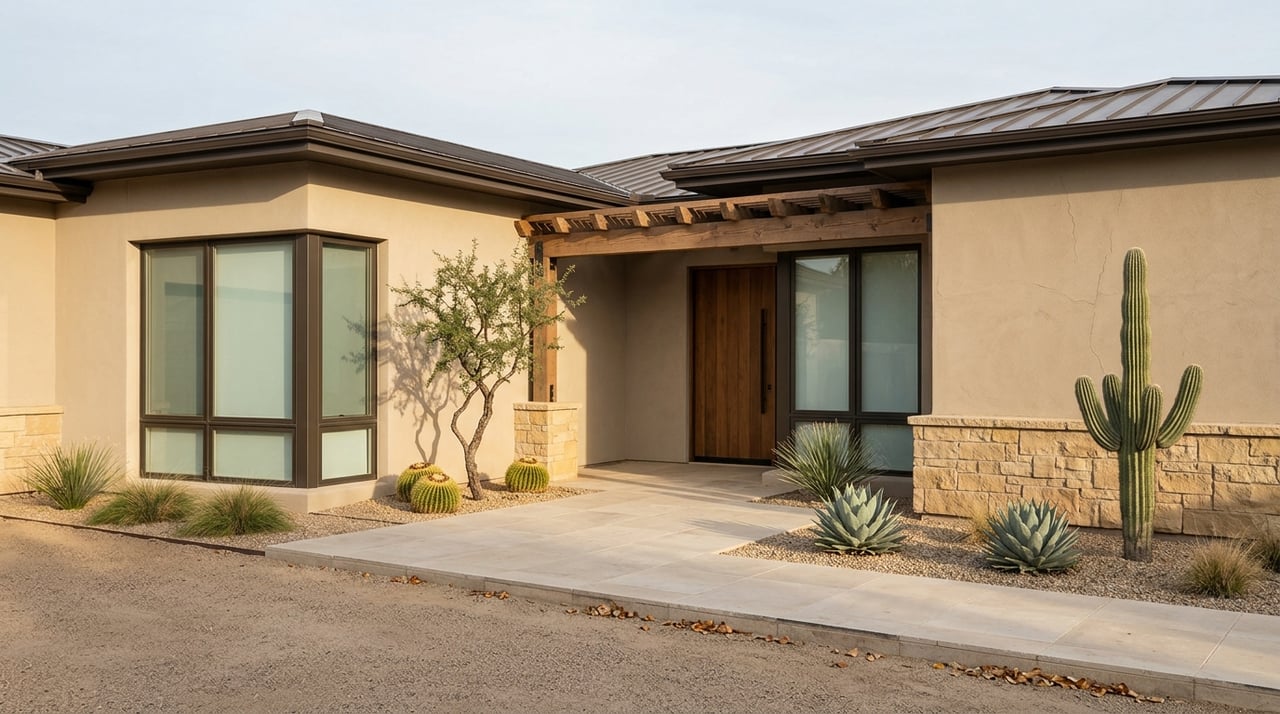
If you are drawn to mountain views, quiet desert settings, and homes that feel both private and connected, Catalina Foothills likely stands out for good reason. It is one of Tucson’s most recognized luxury areas, but it is not just one neighborhood with one look or one lifestyle. If you are trying to understand where the Foothills begins, how its luxury pockets differ, and what daily life really feels like, this guide will help you sort through it with clarity. Let’s dive in.
Why Catalina Foothills Stands Out
Catalina Foothills is best understood as a broad planning area rather than a single subdivision. The Catalina Foothills Subregional Plan covers roughly 90 square miles and describes an area shaped largely by low- and very low-density residential development, with some commercial and resort uses.
That planning framework matters if you are shopping for a luxury home. It helps explain why so much of the Foothills still feels open, scenic, and residential, even as you move between distinct pockets with different rhythms and amenities.
The area also carries meaningful market presence. The Census CDP had 52,401 residents in 2020, and 2020 to 2024 ACS data show a median household income of $115,304, a median owner-occupied home value of $652,000, and 71.4% of adults with a bachelor’s degree or higher.
Catalina Foothills Is a Collection of Pockets
One of the most important things to understand is that “Catalina Foothills” is not one uniform neighborhood. It is better described as a collection of high-end residential pockets linked by mountain views, preserved desert, and a few convenient commercial nodes.
For many buyers, that is a strength rather than a complication. You can look for an older architectural setting, a resort-oriented location, a golf-adjacent home, or a more convenience-driven pocket without leaving the broader Foothills identity.
ZIP Codes That Help Orient You
A practical way to think about the Foothills is through a few ZIP code anchors. The strongest Foothills references are 85718 and 85750, while 85737 often comes up for nearby north-side recreation access.
Landmarks that help ground those areas include St. Philip’s in the Hills, La Encantada, and Catalina Foothills High School in 85718, along with Sabino Canyon and Loews Ventana Canyon Resort in 85750. Catalina State Park in 85737 is also a major lifestyle reference point nearby.
The Historic Core and Classic Foothills Character
The most recognizable luxury core is often the Catalina Foothills Estates and Campbell-River-Skyline corridor. Pima County policy explains that this area began developing in the 1920s and was designed in a romantic Spanish Colonial Revival style by Josias Joesler.
That early vision still shapes how the area feels today. The policy highlights large parcels, careful home siting, retention of the natural landscape, and a low ratio of building to open-desert terrain.
If you value homes that feel rooted in place, this part of the Foothills often stands out. It is primarily single-family in character and is closely tied to protected viewsheds, desert landscape preservation, wildlife habitat, and historic properties.
St. Philip’s and the Older Foothills Feel
St. Philip’s in the Hills, near Campbell and River, helps define that older Foothills identity. The church says it was founded in 1936, built in Spanish Colonial and Neo-Mission style, and originally grew out of the broader Catalina Foothills Estates development.
For buyers, that history is more than a footnote. It helps explain why this area is often associated with landmark architecture, mature desert settings, and a strong visual relationship to the Santa Catalina Mountains.
Campbell and Skyline for Everyday Convenience
Near Campbell and Skyline, the Foothills takes on a slightly different feel. This pocket remains upscale, but it also offers one of the easiest blends of residential living and day-to-day convenience.
La Encantada describes itself as a luxury shopping and dining destination at the base of the Santa Catalina Mountains in the Foothills neighborhood. Plaza Colonial, at the southwest corner of Campbell and Skyline, adds another cluster of upscale shopping, dining, and services.
If you want a luxury home without feeling far from errands, restaurants, and regular routines, this area deserves a closer look. For many buyers, especially those relocating or purchasing a second home, convenience can be just as important as views.
East Foothills for Seclusion and Resort Living
Farther east, the Foothills often feels more secluded and trail-oriented. The subregional plan describes the eastern portion as very low-density housing adjacent to public lands, with planning priorities that include trail access to Coronado National Forest, resort development, and commercial-service nodes along major roads.
This helps explain why the east side can feel quieter, more tucked away, and more connected to open land. The plan also notes that many special areas restrict density or building height and require screening and buffering to protect nearby low-density neighborhoods.
If privacy and proximity to recreation are high on your list, the east side may offer the best fit. It tends to appeal to buyers who want a stronger sense of retreat while still remaining within the Foothills market.
Ventana Canyon as an East-Side Reference
Ventana Canyon is one of the clearest east-side lifestyle markers. The subregional plan says access to the Ventana Canyon trail must be maintained, reinforcing how central outdoor access is to this part of the Foothills.
Visit Tucson describes Loews Ventana Canyon Resort as a 100-acre foothills property with two Tom Fazio-designed PGA golf courses, a spa and fitness center, tennis and pickleball, and nearby riding trails. Even if you are not buying inside a resort setting, that nearby environment helps shape the feel of the surrounding area.
Golf and Club Lifestyle Pockets
For some buyers, luxury living in Catalina Foothills is closely tied to golf and club amenities. Two major reference points are La Paloma and Skyline Country Club.
Visit Tucson says La Paloma Country Club is part of a 250-acre Westin resort complex with 27 holes of Jack Nicklaus Signature golf, five pools, five restaurants, a tennis and health center, and spa services. Skyline Country Club says it was established in 1963 in the foothills of the Santa Catalina Mountains and offers a championship 18-hole golf course along with views and luxury amenities.
These settings can appeal if you want a home that supports a resort-style routine or a lock-and-leave second-home lifestyle. They also help show how varied Foothills luxury can be, even within a relatively concentrated area.
Outdoor Access Shapes Daily Life
One of the strongest reasons people choose the Foothills is outdoor access. This is not just a scenic backdrop. It is part of how many residents experience daily life.
Sabino Canyon and Trail Access
Sabino Canyon sits at the base of the Santa Catalina Mountains and is one of the area’s defining natural amenities. The Forest Service says it has been closed to private vehicles since 1978, offers shuttle access, and includes more than 30 miles of trails.
The canyon’s riparian setting also supports desert wildlife and year-round creek flow patterns tied to winter snowmelt and summer storms. If you want a home base near major hiking access and a strong connection to the desert landscape, this is a major draw.
Catalina State Park Nearby
Catalina State Park expands that trail and open-space story just north of the core Foothills market. Arizona State Parks describes it as 5,500 acres of foothills, canyons, and streams with miles of equestrian, birding, hiking, and biking trails.
The park also notes more than 150 bird species and a location minutes from the Tucson metropolitan area. For buyers who want a large natural amenity close to home, it is an important nearby benefit.
Scenic Corridors Help Protect the Setting
A major reason Catalina Foothills feels visually distinctive is that scenic preservation has long been part of the planning approach. The subregional plan identifies roads such as Campbell, River, Sunrise, Sabino Canyon Road, Kolb, and the Catalina Highway as scenic or gateway routes.
The plan says development along these corridors should preserve native vegetation and protect views. For buyers, that helps support the lasting appeal of the area’s mountain backdrops, open-space feel, and desert character.
A Practical Note for Buyers
If you are evaluating Catalina Foothills as a primary residence, second home, or relocation purchase, it helps to match your priorities to the right pocket rather than treating the whole area the same. The historic core feels established and architecturally rooted, the east side feels more secluded and resort-oriented, and the Campbell-Skyline area offers one of the easiest blends of upscale services and convenience.
For buyers looking at public school boundaries as one part of the decision, Catalina Foothills Unified School District #16 is the key district reference. The district says it has served the Catalina Foothills since 1931, and its boundary map shows attendance areas across the district.
In a market like this, details matter. If you are comparing view orientation, trail proximity, lot setting, convenience, or second-home practicality, a careful neighborhood-by-neighborhood approach can help you protect both lifestyle fit and long-term value.
If you want guidance tailored to your goals in Catalina Foothills, from established estates to resort-adjacent homes and second-home options, Mark Klugheit brings a precise, negotiation-focused approach designed to help you move forward with clarity and confidence.
FAQs
What is Catalina Foothills in Tucson, Arizona?
- Catalina Foothills is a broad planning area in the Tucson region, not a single subdivision, with roughly 90 square miles of primarily low- and very low-density residential development plus some commercial and resort areas.
Which Catalina Foothills areas feel most luxurious?
- The best-known luxury pockets include the historic Catalina Foothills Estates and Campbell-River-Skyline corridor, the east-side Ventana Canyon area, and golf- or club-oriented locations such as La Paloma and Skyline Country Club.
What is the historic core of Catalina Foothills known for?
- The historic core is known for early development dating to the 1920s, Spanish Colonial Revival influence, larger parcels, careful site placement, preserved desert landscape, and strong mountain and city-light views.
Which part of Catalina Foothills is best for convenience?
- The Campbell and Skyline area is often the most convenience-oriented pocket because it offers close access to upscale shopping, dining, and services while still maintaining a residential Foothills setting.
What outdoor amenities are near Catalina Foothills homes?
- Key outdoor amenities include Sabino Canyon with more than 30 miles of trails and shuttle access, plus nearby Catalina State Park with 5,500 acres of foothills, canyons, streams, and multi-use trails.
What school district serves Catalina Foothills homes?
- Catalina Foothills Unified School District #16 is the main public school district reference for the area, with attendance boundaries shown on the district’s map.